A drink bottle that won’t open. A medicine bottle that leaks. These problems seem unrelated, but they share one quality parameter: cap torque. A bottle cap torque tester measures the torque required to loosen or tighten a cap. Too much torque, and consumers cannot open the package. Too little torque, and the product may leak or oxidize during transport.
For plastic caps, many brands target removal torque between 0.6 N·m and 2.0 N·m (5.3–17.7 lb-in). But the right value depends on the product, bottle, cap, liner, and filling process. A mineral water cap, carbonated soft drink cap, pharmaceutical closure, and cosmetic dropper cap all have different requirements. Choosing the right instrument and method matters more than memorizing one number.
The torque range you need depends on the caps in your product line.
If the range is too small, the sensor can be overloaded and damaged. If the range is too large, measurement accuracy and resolution may not be sufficient.
Accuracy depends on your quality control requirements. For pharmaceutical manufacturers, batch trend analysis, or internal control standards, a tester with 0.001 N·m resolution and ±1% full-scale accuracy can detect subtle quality changes. For routine spot checks, the accuracy requirement can be relaxed.
A practical selection approach: first define your product torque range, test frequency, and accuracy needs. Then share sample details with the manufacturer’s technical team for model recommendations. Do not choose only by price or blindly pursue the highest specification.
A bottle cap torque tester is not a “twist and read” tool. Common international standards include:
These standards define test methods, not one universal pass/fail torque value. Following them makes your data comparable and audit-ready for customer inspections, quality certifications, and international markets.
A typical test flow is: apply the cap with a capping machine at the target application torque, condition the sample at room temperature for 24 hours or per protocol, then measure removal torque with an instrument accurate to at least 0.1 N·m or 1% full scale. The HP Series bottle cap torque tester is designed to support these international testing requirements.
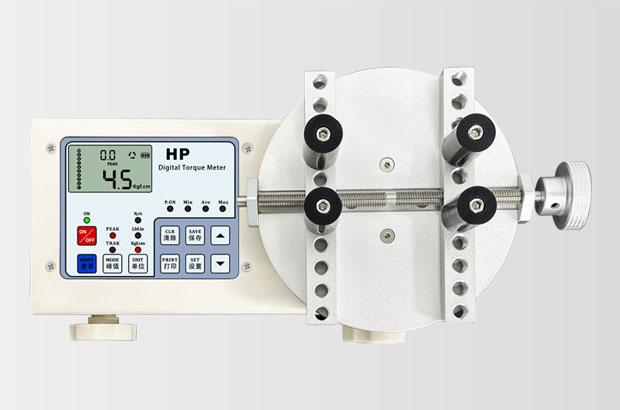
Even with the right tester and standard, small operational details can change your results.
1. Stabilization Time
Do not test bottles immediately after they come off the line. After capping, the liner and bottle finish are still changing, and plastic materials have not completed stress relaxation. For a PET bottle, removal torque may be around 1.5 N·m right after capping, then rise to 2.0 N·m or higher after 24 hours. Set a clear stabilization time in your SOP: at least 30 minutes, and ideally 2–4 hours.
2. Operator Consistency
The same bottle can vary by 10–20% between operators. Faster rotation creates more impact and a higher peak torque. Different grip positions also change the result. Two solutions: write a procedure that requires uniform rotation and consistent grip, or use a model with automatic rotation to remove operator variation.
3. Clamping Force
Too loose, and the bottle slips, producing a low torque reading. Too tight, and thin-wall plastic bottles deform, changing the bottle finish and making the data unreliable. For soft plastic containers such as PET water bottles and detergent bottles, clamping force needs special attention.
Torque testing is not only about pass/fail. Trend monitoring can reveal hidden process changes.
These data can be fed back to the capping machine. If the capper applies too much pressure or runs too fast, caps may be over-tightened. Opening torque can exceed the comfortable range for adult hand strength, typically an upper limit of 2.5–3.0 N·m (22.1–26.6 lb-in). By using torque data to optimize capping parameters, you can maintain seal integrity while improving consumer opening experience.
Choosing a bottle cap torque tester comes down to four things: range, accuracy, standards, and operation. Confirm your product’s opening torque range, follow current ASTM D2063, D3198, and D3474 methods, and fix your stabilization time, environment, rotation speed, and clamping method. The best instrument is not the cheapest or the highest-spec model. It is the one that delivers stable, repeatable, and traceable test data.
Previous article:This is already the first article
Next article:Packaging Solvent Tester – Detect Odors Before They Reach Your Client
Back
Packaging Solvent Tester – Detect Odors Before They Reach Your Client
07.09.2026
Package Leak Tester: Stop Costly Leaks Before They Happen
31.08.2026
Food Packaging Water Vapor Transmission Rate Tester
24.08.2026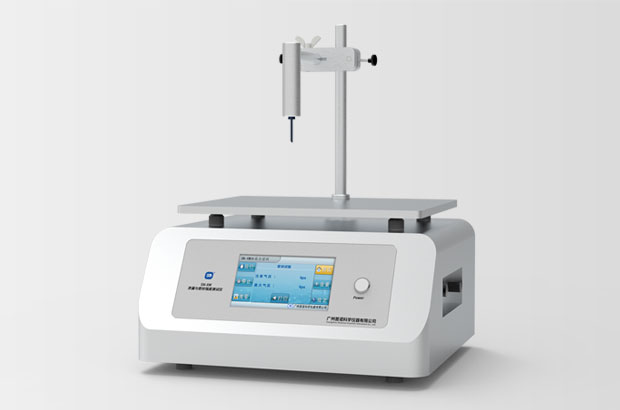
Positive Pressure Seal Tester for Leak and Seal Strength Testing | ASTM F1140 & ISO 11607 Compliant
17.08.2026Scan
Add WhatsApp
Email
info@snlabtester.com
Business Inquiry
+86 13316049470
Free Hotline
+86 020-26221916