When choosing a plastic film tensile testing machine, many people first ask what load capacity is needed. But what is most easily misconfigured is often not the load range, but the grips and the extensometer. If the load range is wrong, the machine will easily alarm. If the grips and extensometer are wrong, the machine will still produce numbers, but the data may not be usable.
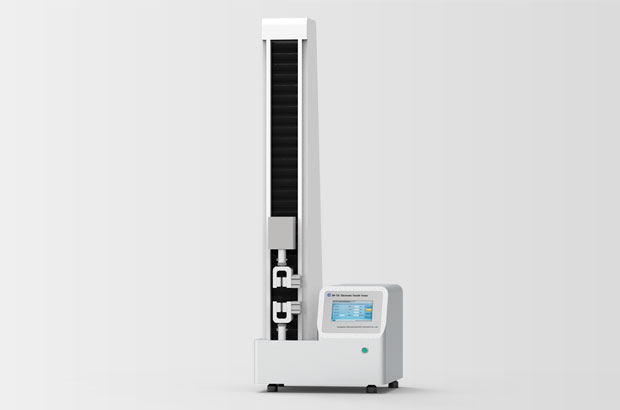
Load capacity is the maximum force the machine can measure. Plastic films span a wide force range: packaging film, cling film, composite film, and high-strength film differ noticeably. There are two common mistakes: using a large scale to weigh light objects, so the low-force segment is not fine enough; or having commonly used force values close to the upper limit, so the machine works at the edge for a long time, affecting stability. Load capacity is not hard to get wrong; rather, when it is wrong, it is obvious: inability to measure, abnormal curves, and alarms are easy to notice.
For a plastic film tensile testing machine, the grips are the “hands” that hold the film and determine whether the data is valid at the source. Common mistakes: serrated grip faces easily cause stress concentration at the jaws, resulting in lower tensile strength and elongation at break; for smooth films, manual grips depend on feel for how tightly to clamp, leading to poor repeatability.
Grips solve “holding it securely and breaking it correctly”; after clamping, you also need to know how much the film has stretched. The extensometer is the device that measures true elongation. Without it, the machine can only use “how far the crosshead has moved” as a substitute, but crosshead displacement mixes grip slippage, connection clearances, and machine deformation. When measuring small deformation and judging “how stiff” a material is, the difference will be amplified.
The biggest problem with the extensometer is not choosing the wrong model, but that it never makes it onto the selection list in the first place; when deformation data is needed later, the grips, software, and operating habits have often already been set up for “no extensometer.”
Put these three things in the right order, and selection will not easily go off track: grips determine whether the data is “valid,” the extensometer determines whether elongation data is “credible,” and load capacity is only responsible for “whether it is sufficient” under these two premises. So don’t rush to quote tonnage first; first confirm how to clamp and whether elongation needs to be measured, then use load capacity to close the loop. What is most easily misconfigured in plastic film tensile testing machine selection is never the most visible parameter, but the one that still lets the machine quietly produce numbers after it is wrong.
Previous article:This is already the first article
Next article:OTR/WVTR Testing: Reliable Data Across Brands & Methods
Back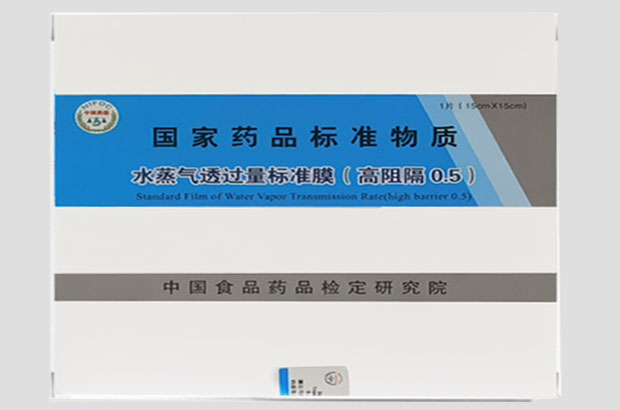
OTR/WVTR Testing: Reliable Data Across Brands & Methods
19.10.2026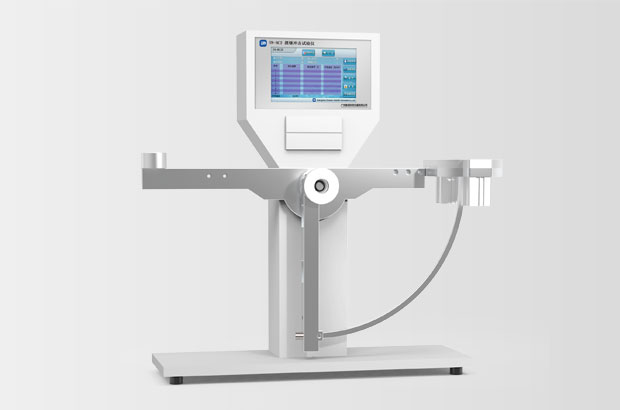
Pendulum Impact Tester for Flexible Packaging Film Toughness
08.10.2026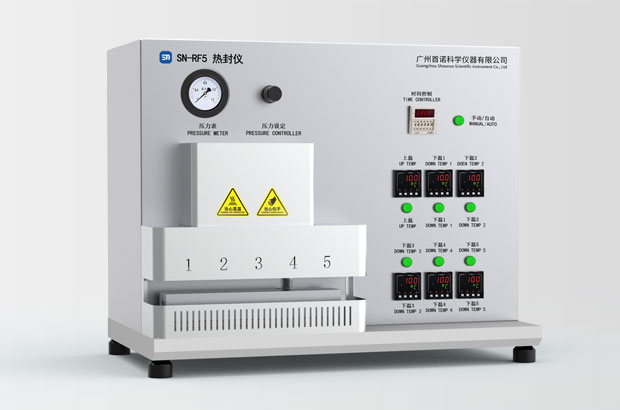
What Is a Heat Seal Tester? A Practical Guide for Flexible Packaging Labs
21.09.2026
How to Choose a Bottle Cap Torque Tester: Range, Accuracy, Standards & Best Practices
14.09.2026Scan
Add WhatsApp
Email
info@snlabtester.com
Business Inquiry
+86 13316049470
Free Hotline
+86 020-26221916