“This batch has an odor issue—we need to return it.” In the flexible packaging industry, that sentence means the entire batch’s profit is wiped out—and more critically, it marks a dent in customer trust. Over years of serving packaging manufacturers, our technical team has repeatedly observed the same pattern: many batch problems don’t appear only after customer complaints; they were signaled long before shipment—only the signal was never effectively captured. That signal is solvent residue.
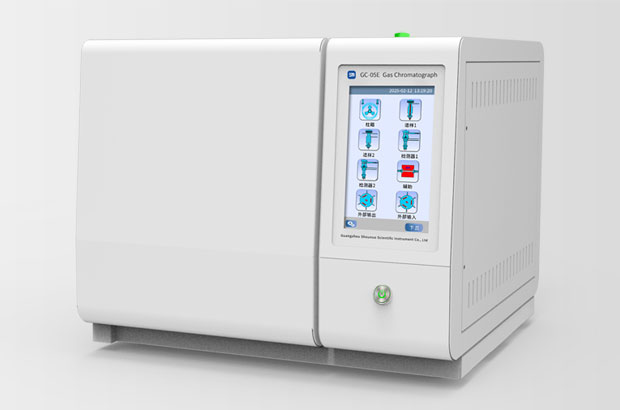
With regulations tightening globally—from FDA 21 CFR and EU 10/2011 to ASTM standards and ISO guidelines—residual solvent analyzers are shifting from optional lab equipment to essential quality control tools. For packaging converters, food producers, and pharmaceutical packaging manufacturers, the real question is: Can this instrument stop the risk before the problem becomes a claim?
Packaging materials use substantial organic solvents during printing, lamination, and coating—common ones include ethyl acetate, toluene, xylene, isopropanol, and methyl ethyl ketone. If curing or drying is insufficient, these solvents remain trapped in finished films, bags, or containers.
But “no smell” does not mean safe. Human olfactory thresholds for certain esters are far higher than regulatory limits—when you can clearly detect an “ink odor,” residue levels may already be several times over the limit. Meanwhile, some residues are odorless yet capable of interfering with pharmaceutical stability or reacting with fats and flavors in food, leading to delayed sensory degradation.
For pharmaceutical packaging producers, exceeding residue limits means immediate batch rejection under FDA or EU pharmacopoeia requirements. For food packaging suppliers, odor complaints leave a record in brand owners’ supplier audits—impacting far more than a single order. Returns are just the visible cost; the real price is lost credibility.
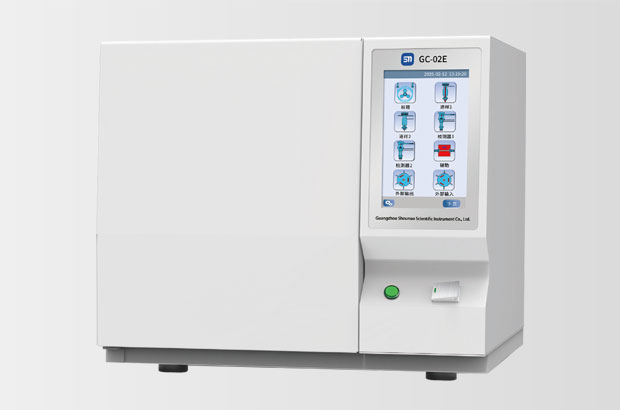
A packaging solvent tester—typically based on headspace-gas chromatography (HS-GC)—is the specialized instrument for qualitative and quantitative analysis of volatile organic solvents retained in packaging materials. It is the core tool for food and pharmaceutical packaging companies to control solvent-related risks.
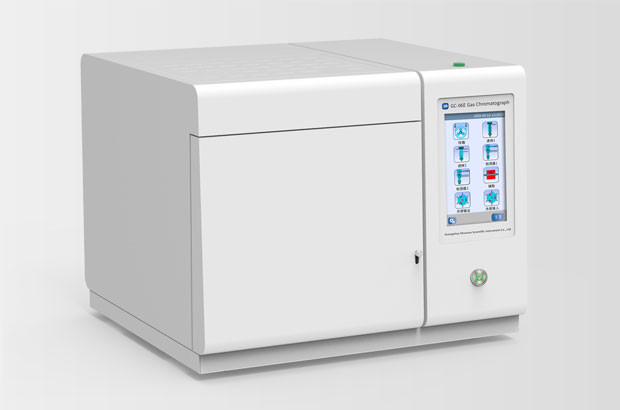
Specifically, residual solvent testing targets a set of risk indicators, including:
The current standard method is headspace-gas chromatography: samples are heated in sealed vials to reach vapor equilibrium, and the headspace gas is injected into the GC for separation and quantification. This approach avoids matrix interference from direct injection and better simulates the real migration of solvents from packaging into contents.
Many buyers overemphasize column brands or detector types, while neglecting system stability. In fact, the reliability of data hinges first on headspace condition control and data system traceability. A qualified residual solvent analyzer must meet at least three hard criteria:
In many real cases, what appeared as “data anomalies” turned out not to be column failure, but degraded vial seal integrity or drifting equilibrium temperature. This underscores that selecting a residual solvent testing equipment is essentially selecting a system-engineering capability, not just hardware specs.
1. Compliance with a method does not mean the method is suitable for your material. Standard methods provide general conditions, but different packaging substrates have vastly different thermal stability. For example, LDPE may release oligomers at higher equilibrium temperatures, interfering with low-boiling solvent peaks. The instrument must support a wide headspace temperature range and multiple stored methods to adapt to various substrates.
2. Data should drive process improvement, not just act as a gatekeeper. If ethyl acetate residues are consistently high, the root cause could be insufficient curing time, excessive winding tension, or mismatched lamination speed and drying capacity. Only when test data feeds back into process adjustments does the instrument deliver true cost-saving value.
3. Low-level quantification depends on “method validity,” not just “instrument sensitivity.” For pharmaceutical packaging, aromatic solvent limits are extremely low. Don’t be swayed by advertised “lowest detection limits”—verify linearity and recovery rates with real sample matrices. Even the highest sensitivity is meaningless if the method is not valid under actual conditions.
4. After-sales support and standard-update capability determine the instrument’s service life. Regulations evolve—FDA, EU, and ASTM all update periodically. Can your supplier provide local technical support and application development assistance to minimize compliance gaps when standards change?
Step 1 – Define your testing objective. Is it for internal QC or for third-party reporting? Different purposes require different instrument configurations and validation depths.
Step 2 – Standardize sample preparation. Variables like sampling location, sample size, headspace vial volume, and equilibration time often affect results more than instrument fluctuations. Document and control every step.
Step 3 – Conduct periodic method reviews. Verify instrument performance quarterly with standard solutions or QC samples, and perform a full method revalidation annually. Only when testing is integrated into your quality management system’s calibration loop will your data remain trustworthy over time.
A return caused by excessive solvent residue is, on the surface, a quality failure—but at its core, it reveals a gap in detection capability and process control. Choosing the right residual solvent analyzer won’t guarantee zero defects in every batch, but it will allow you to see the data, make informed decisions, and take corrective action before the issue becomes a customer complaint.
The real differentiator is not whether you own a packaging solvent tester—it’s whether the test data actually enters your quality decision-making chain and drives continuous improvement.
OTR/WVTR Testing: Reliable Data Across Brands & Methods
19.10.2026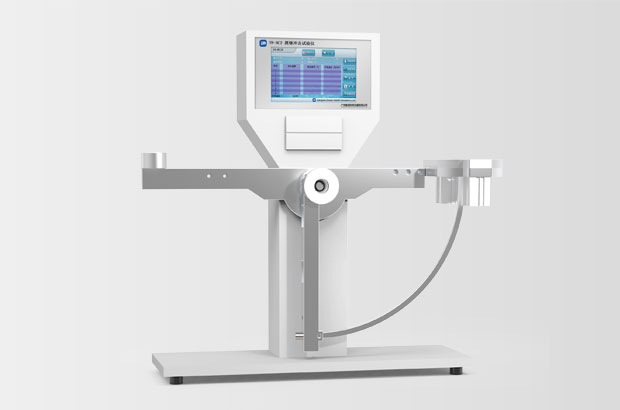
Pendulum Impact Tester for Flexible Packaging Film Toughness
08.10.2026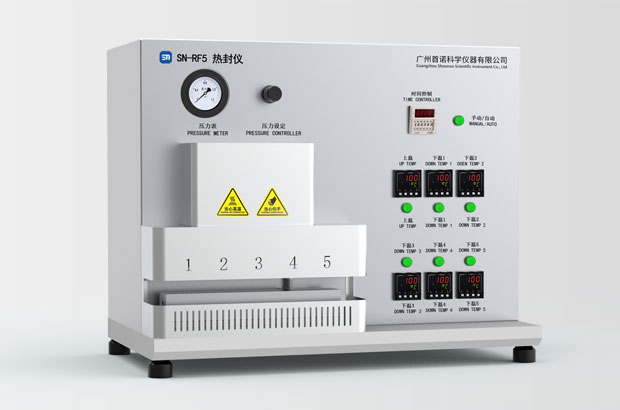
What Is a Heat Seal Tester? A Practical Guide for Flexible Packaging Labs
21.09.2026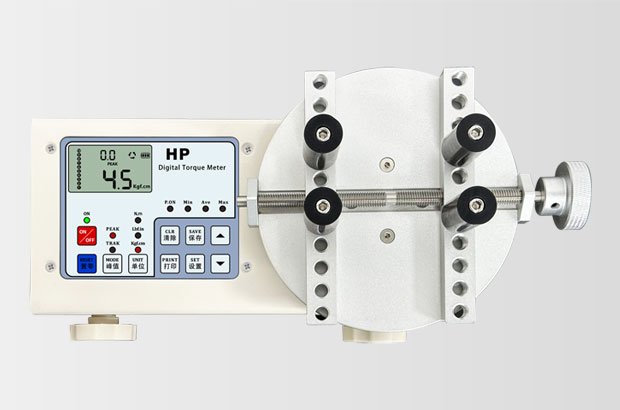
How to Choose a Bottle Cap Torque Tester: Range, Accuracy, Standards & Best Practices
14.09.2026Scan
Add WhatsApp
Email
info@snlabtester.com
Business Inquiry
+86 13316049470
Free Hotline
+86 020-26221916