For many flexible packaging, food, pharmaceutical, and new materials companies, water vapor transmission rate testers are a critical quality checkpoint for ensuring product shelf life and performance. However, faced with a variety of technologies and models on the market, making an informed choice within a limited budget and avoiding the traps of "low price, low quality" or "redundant functions" is a professional task that requires strategy.
This article aims to provide you with a direct, practical, and cost-effective purchasing guide. All suggestions are based on ensuring data accuracy, long-term stability, and optimal total cost of ownership .
Discussing equipment selection without considering specific application scenarios and standards is the biggest waste of resources. Defining your needs is the first step in selecting equipment.
Define the test materials and scope : Are you primarily testing thin packaging films or high-barrier aluminum-plastic composite films? What is the estimated water vapor transmission rate (WVTR) range? This directly determines the level of precision and range of instruments you need, avoiding paying for "ultra-high precision" instruments that you won't need.
Define the standards that must be followed : Is your product for export? Does it need to comply with ASTM E96 , ISO 15106-3 , GB/T 26253 , or YBB standards ? Make sure that the target instrument has these standard test procedures built in and can provide a traceable calibration certificate that complies with the standard method. This is the foundation for the legal validity of the data.
Assess the actual sample throughput : What is the daily or monthly routine sample volume? For quality control laboratories with large sample volumes, choosing a multi-chamber parallel testing water vapor transmission rate analyzer may require a slightly higher initial investment, but in the long run, the significantly improved testing efficiency will significantly reduce the cost per test.
This is a fundamental choice that determines the performance limits and applicable scenarios of the equipment. Currently, high-performance, cost-effective models on the market are mainly based on two principles: infrared sensor method (IR method) and weighing method , each with its own clear advantages.
Infrared sensor method (IR method) — synonym for high efficiency and automation.
Working principle : The concentration of water vapor is measured by utilizing its absorption characteristics in a specific infrared band, and the transmittance is calculated.
Key advantages : Typically the fastest testing speed , high degree of automation, and excellent result repeatability, making it particularly suitable for rapid quality inspection and R&D of low- and medium-barrier materials. Modern high-performance IR sensors offer long lifespan and excellent stability.
Applicable scenarios : Routine moisture permeability testing of flexible packaging films, sheets, paper, non-woven fabrics , and other materials. This is the preferred choice if your laboratory requires high throughput and automation.
Brand Practice : Taking the SN-T series moisture permeability tester from Guangzhou Shounuo Scientific Instruments Co., Ltd. as an example, its high-precision infrared sensor enables rapid, stable, and continuous testing, while the software's automatic control and data analysis greatly improve laboratory efficiency.
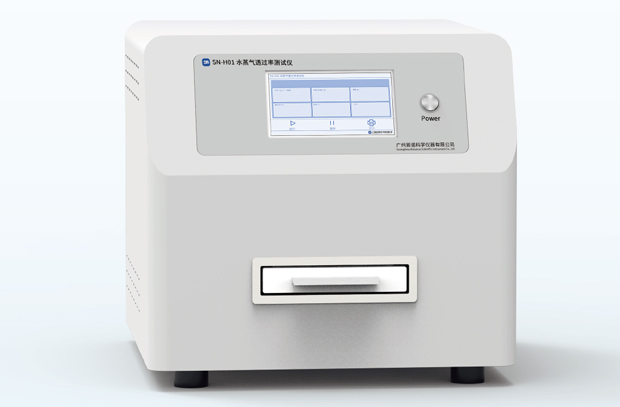
Gravimetric Method — A Classic Standard with Wide Applicability
Working principle : By periodically and precisely weighing the weight change of the permeation cup in a constant temperature and humidity environment, the water vapor transmission rate is directly calculated. This is the benchmark method for many international standards.
Key advantages : The testing principle is intuitive and widely accepted , applicable to almost all materials (including pastes, sheets, and packaged goods), and the test results are particularly reliable for high-barrier materials. The equipment structure is relatively simple.
Applicable scenarios : High-barrier materials (such as aluminum foil composites), pharmaceutical blister packs, food can lids, and tests that require strict adherence to traditional gravimetric standards .
Brand Practice : Guangzhou Shounuo Scientific Instruments Co., Ltd. 's SN-W series moisture permeability tester adopts high-precision balance and constant temperature and humidity control technology to ensure the classic reliability and data authority of the weighing method test.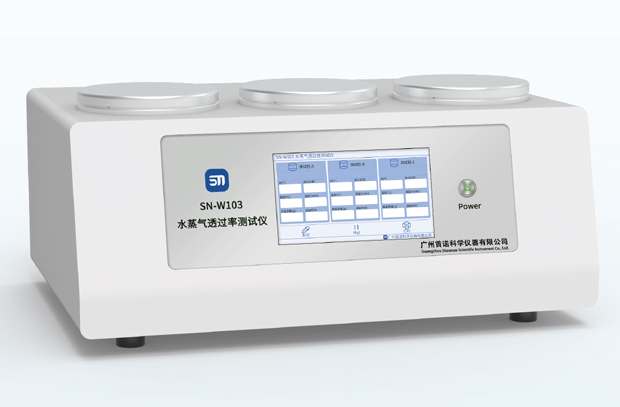
True "high cost-performance ratio" does not mean "lowest price", but rather the ratio of total investment to total output of equipment throughout its entire life cycle.
Calculate long-term cost of ownership : comprehensively estimate the purchase cost, annual calibration and maintenance fees, cost of specialized consumables (such as test chamber seals and desiccants), and potential repair costs . Be wary of models with low initial quotes but expensive, proprietary consumables.
Emphasis should be placed on the calibration and verification system : Inquire about the standards upon which the equipment was calibrated at the factory, as well as the convenience and cost of subsequent annual calibrations. Can you provide calibration reports covering the entire measurement range and traceable to national metrological standards ? Can the localized service team support rapid response?
Quantifying the value of efficiency improvements : A highly automated, easy-to-operate, 24/7 unattended water vapor permeability tester can significantly reduce the need for technical manpower. The resulting savings in labor costs and the additional testing capabilities gained are often underestimated.
Details determine success or failure; negligence in these aspects may result in the equipment not being able to perform at its full potential after delivery.
Pitfall: Ignoring the compatibility with laboratory infrastructure : Confirm in advance the equipment's requirements for the installation environment (power supply voltage stability, grounding requirements, ambient temperature and humidity fluctuation range, space dimensions). For example, high-precision weighing permeabilizers require vibration-resistant experimental benches.
Key point: After-sales support terms must be clearly stated in writing : clearly define the warranty period (ideally no less than 1 year), fault response time, repair methods (on-site/delivery repair), and remote technical support capabilities . Comprehensive after-sales service is the "insurance" that ensures the long-term stable operation of equipment.
Required: Systematic training and knowledge transfer : Ensure that the supplier provides professional on-site installation, commissioning, operation training, and basic maintenance training , and delivers complete and clear Chinese technical documentation (operation manual, maintenance manual, software guide).
Before making a final decision, be sure to send your actual samples to the prospective supplier for testing. This is the "litmus test" to verify whether the equipment performance matches the promises.
Provide representative samples : Prepare a batch of typical product samples with known performance or historical test data, and send them to manufacturers such as Guangzhou Shounuo Scientific Instruments Co., Ltd. for actual testing.
Full observation and evaluation : Where conditions permit, the testing process can be conducted on-site or online. Emphasis should be placed on the stability of equipment operation, the logic of software operation, and its user-friendliness.
In-depth analysis of test reports : Carefully review the generated test reports, checking their data integrity, curve logic, and professional report format to ensure they meet your internal archiving or client submission requirements.
For a brand that has long been deeply involved in a specific testing field, the reliability of its products, the depth of its technology, and the sustainability of its services are themselves important components of high cost-effectiveness.
Choosing a brand like Guangzhou Shounuo Scientific Instruments Co., Ltd. , which focuses on materials physical property testing instruments, means you're getting more than just a single device:
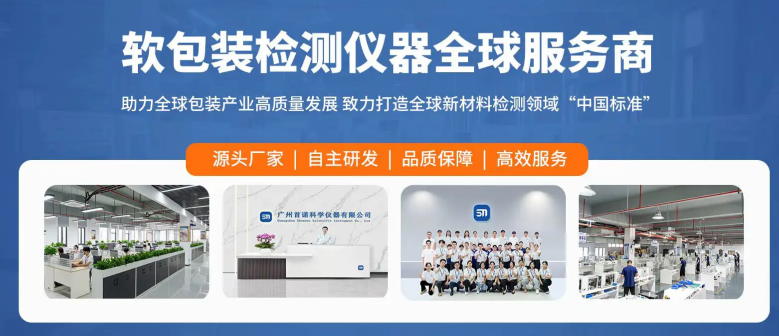
Localized in-depth services : As a well-known domestic brand, Guangzhou Solutia can provide faster on-site support, technical consultation and calibration services, with zero communication barriers, greatly reducing service waiting time and costs.
Complete methodological support : From standard understanding of water vapor transmission rate testing to assistance in developing non-standard testing methods, professional brands can become a technological extension of your laboratory, providing deeper application support.
Continuous product and knowledge updates : Focused brands continuously iterate on products and technologies and share industry application knowledge to ensure your testing capabilities remain up-to-date.
Choosing a high-performance water vapor transmission rate tester within your budget is essentially a rational decision that focuses on core needs, understands the essence of the technology, and takes a long-term perspective. Whether you pursue the efficient and automated infrared method or rely on the classic and widely used gravimetric method , the key is to ensure that the technology perfectly matches your real-world scenario.
If you are weighing your options when selecting a moisture permeability tester , or wish to optimize your existing testing methods, the technical team at Guangzhou Shounuo Scientific Instruments Co., Ltd. can provide you with professional advice based on numerous application cases and free sample testing services. Let professional technical expertise ensure your smart investment.
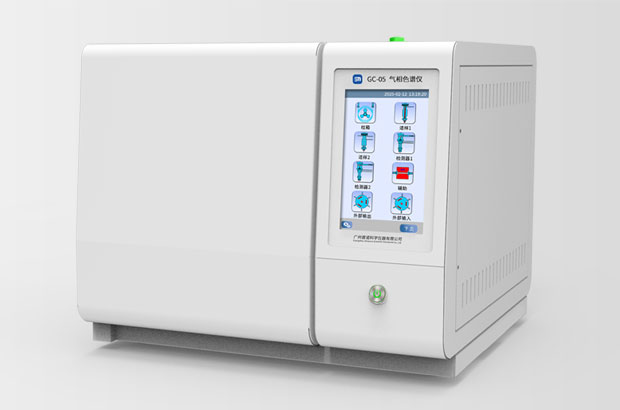
Packaging Solvent Tester – Detect Odors Before They Reach Your Client
07.09.2026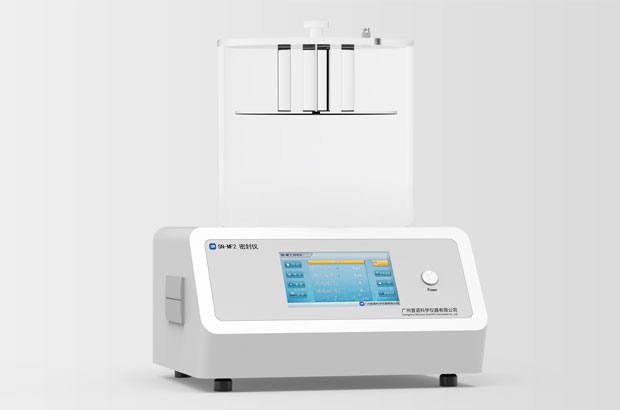
Package Leak Tester: Stop Costly Leaks Before They Happen
31.08.2026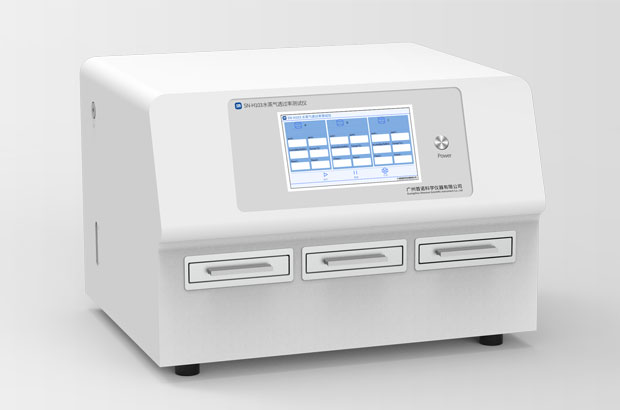
Food Packaging Water Vapor Transmission Rate Tester
24.08.2026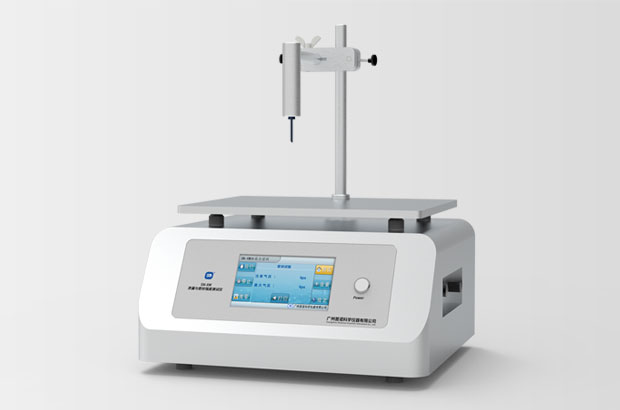
Positive Pressure Seal Tester for Leak and Seal Strength Testing | ASTM F1140 & ISO 11607 Compliant
17.08.2026Scan
Add WhatsApp
Email
info@snlabtester.com
Business Inquiry
+86 13316049470
Free Hotline
+86 020-26221916