In the fields of food, pharmaceutical, medical device, and electronics packaging, moisture barrier performance is a critical factor determining product shelf life and stability. A water vapor transmission rate tester for flexible packaging is a specialized instrument designed to measure the rate at which water vapor permeates through flexible barrier materials, playing an essential role in quality control and product development.

A water vapor transmission rate tester for flexible packaging typically operates based on one of three primary principles: gravimetric (cup) method, electrolytic sensor method, or infrared sensor method.
A reliable water vapor transmission rate tester for flexible packaging should provide stable temperature and humidity control. Typical operating ranges include a temperature span from 15°C to 55°C and a relative humidity range of 0% to 90% RH, allowing simulation of various climatic storage and transit conditions. The instrument should also comply with relevant standards, including GB/T 1037, GB/T 26253, ASTM F1249, ASTM E96, ISO 15106, and YBB pharmaceutical packaging standards.
Within a flexible packaging manufacturing environment, the water vapor transmission rate tester for flexible packaging is commonly employed in the following scenarios:
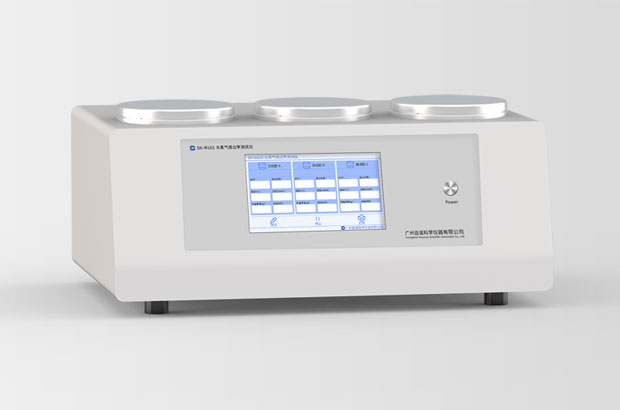
When selecting a water vapor transmission rate tester for flexible packaging, manufacturers should consider factors such as measurement accuracy, sample sealing reliability, degree of automation, and consumable costs in relation to their specific product portfolio. For companies whose primary product lines consist of high-barrier flexible packaging, an infrared or electrolytic sensor instrument is generally recommended. For those focusing on conventional laminates with higher WVTR values, a gravimetric system is often sufficient to meet routine quality control requirements.
Previous article:Heat Sealer Setup: Temperature & Time Ranges for Flexible Packaging Seals
Next article:Gas vs. Oxygen Permeability Tester: Key Differences
Back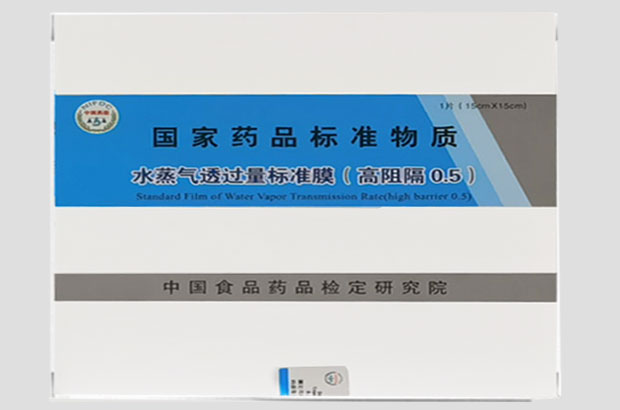
OTR/WVTR Testing: Reliable Data Across Brands & Methods
19.10.2026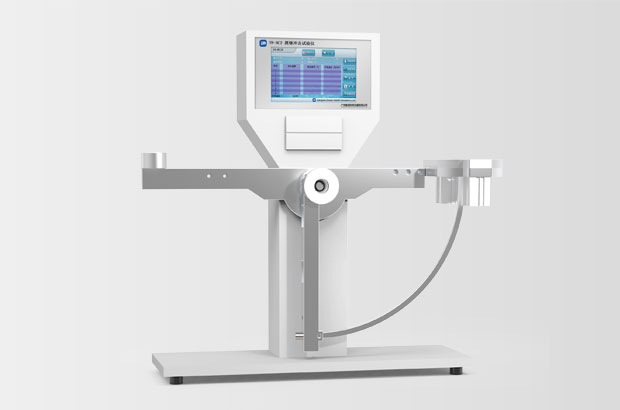
Pendulum Impact Tester for Flexible Packaging Film Toughness
08.10.2026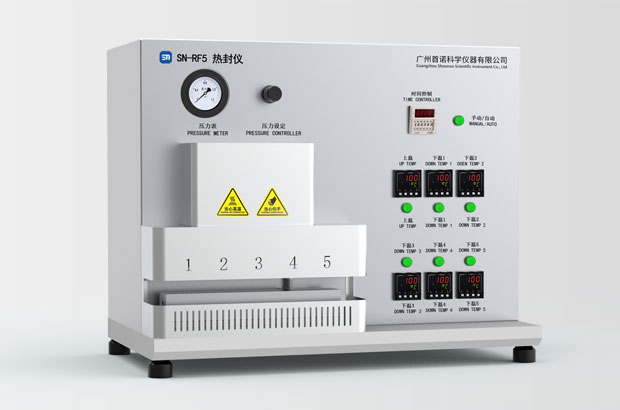
What Is a Heat Seal Tester? A Practical Guide for Flexible Packaging Labs
21.09.2026
How to Choose a Bottle Cap Torque Tester: Range, Accuracy, Standards & Best Practices
14.09.2026Scan
Add WhatsApp
Email
info@snlabtester.com
Business Inquiry
+86 13316049470
Free Hotline
+86 020-26221916