During the production and quality inspection of flexible packaging, the rationality of the heat sealing process directly determines the seal strength and reliability of the package. As a key testing device that simulates the heat sealing conditions of bag making, the heat sealer's parameters must be systematically validated based on material characteristics. This article provides reference ranges of heat sealing temperature and time for common packaging structures, and describes the practical application of heat sealers in process optimization.
A heat sealer is used to replicate the production heat sealing process under laboratory conditions. By independently controlling the three core variables – temperature, pressure, and time – it produces heat-sealed specimens for subsequent seal strength testing. Proper use of a heat sealer can effectively shorten process debugging cycles and reduce production waste caused by improper parameters.
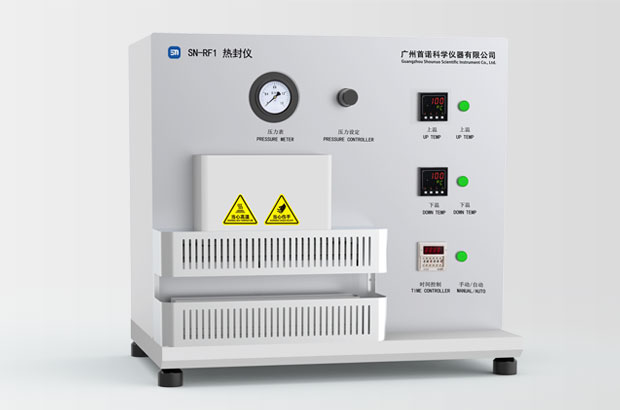
The table below summarizes the recommended initial ranges of heat sealing temperature and time for common flexible packaging material structures on a heat sealer. Data are based on standard laboratory conditions (heat seal pressure 0.2–0.4 MPa, seal bar width 5–10 mm, dwell time 0.7–1.0 second). In practice, fine-tuning is required according to specific film batches and equipment conditions.
|
Material Structure
|
Thickness (μm)
|
Recommended Temperature Setting (°C)
|
Heat Seal Time (s)
|
|
LDPE
|
20-160
|
105-150
|
0.7-1.0
|
|
MDPE
|
20-120
|
115-145
|
0.7-1.0
|
|
HDPE
|
20-90
|
125-150
|
0.7-1.0
|
|
CPP
|
20-70
|
120-160
|
0.7-1.0
|
|
OPP/PE
|
40-80
|
130-150
|
0.7-1.0
|
|
OPP/PP
|
40-60
|
135-160
|
0.7-1.0
|
|
OPP/CPE
|
40-80
|
130-155
|
0.7-1.0
|
|
OPP/CPP
|
40-80
|
135-160
|
0.7-1.0
|
|
OPP/MCPP
|
45-60
|
140-155
|
0.7-1.0
|
|
OPP/PET/CPE
|
55-110
|
145-160
|
0.7-1.0
|
|
OPP/PET/CPP
|
55-90
|
105-160
|
0.7-1.0
|
|
PET/AL/CPE
|
55-90
|
105-160
|
0.7-1.0
|
|
NY/CPP
|
55-80
|
145-170
|
0.7-1.0
|
|
NY/CPE
|
55-80
|
140-160
|
0.7-1.0
|
To determine the optimal heat sealing parameters for a material using a heat sealer, follow the steps below to ensure repeatability and correlation with production:
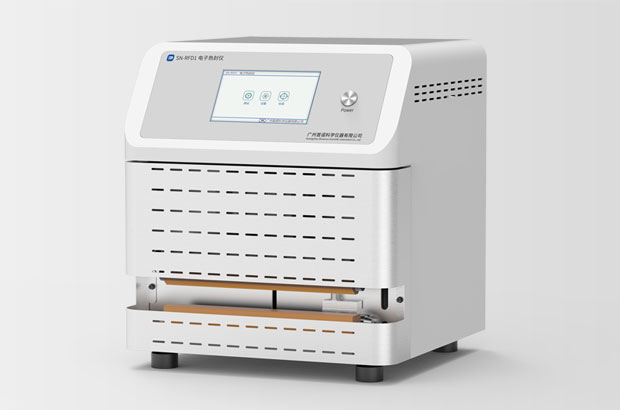
Proper use of a heat sealer for heat sealing parameter validation is a fundamental means of ensuring the seal quality of flexible packaging. It is recommended that laboratories establish an internal heat sealing parameter database based on the reference table of common materials and continuously optimize it with production feedback. Through systematic heat sealer testing, packaging leakage risks can be effectively reduced, and product shelf‑life reliability improved.
Previous article:Packaging Bag Compression Tester: Selection & Testing Tips
Next article:Water Vapor Transmission Rate Tester for Flexible Packaging
Back
Packaging Solvent Tester – Detect Odors Before They Reach Your Client
07.09.2026
Package Leak Tester: Stop Costly Leaks Before They Happen
31.08.2026
Food Packaging Water Vapor Transmission Rate Tester
24.08.2026
Positive Pressure Seal Tester for Leak and Seal Strength Testing | ASTM F1140 & ISO 11607 Compliant
17.08.2026Scan
Add WhatsApp
Email
info@snlabtester.com
Business Inquiry
+86 13316049470
Free Hotline
+86 020-26221916