A laboratory precision instrument for simulating production-line heat sealing and accurately measuring the heat sealability of packaging materials.
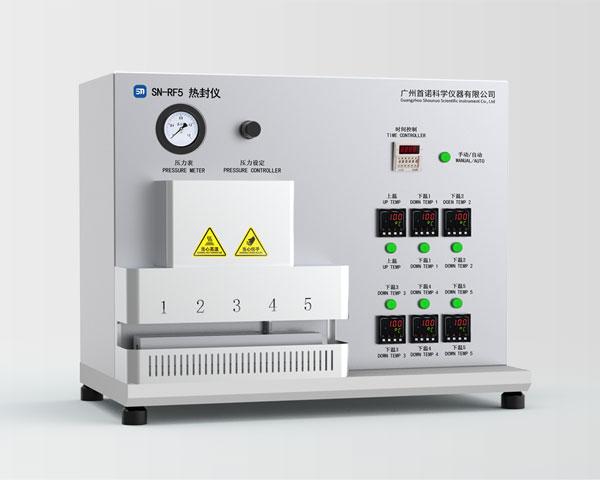
The core mission of a heat seal tester is to simulate real heat sealing conditions and evaluate the heat seal performance of materials, ensuring package seal integrity.
As a gatekeeper before packaging materials and finished goods leave the factory, it verifies whether seal strength meets specifications, preventing cracks and leaks during storage and transit.
Helps manufacturers determine the optimal sealing temperature, pressure, and dwell time before production, boosting line efficiency and first‑pass yield while reducing scrap rates.
Used in material plants, universities, and research institutes for developing new materials and assessing their heat‑sealing adaptability, driving technological innovation.
A laboratory heat seal tester precisely controls temperature, pressure, and time to replicate the actual packaging line process.
According to the material type, set the desired sealing temperature (room temp +5 °C to 300 °C), pressure (0 – 0.8 MPa), and dwell time (0.01 s to 99.99 h).
Position the film or composite specimen between the upper and lower sealing jaws, ensuring proper alignment.
The jaws close under the set pressure, heat to the target temperature, and maintain for the set time to complete the sealing action.
After cooling the sealed sample, use a tensile tester to measure the peel force or seal strength of the seal area, evaluating the sealing effectiveness.
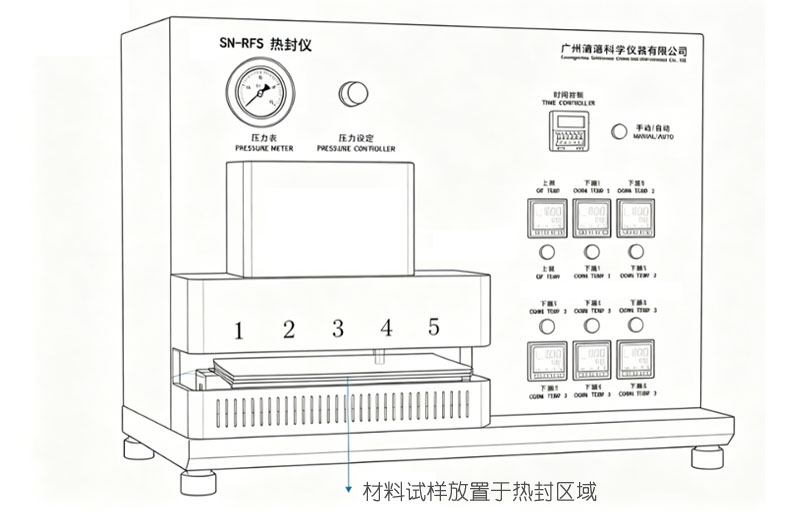
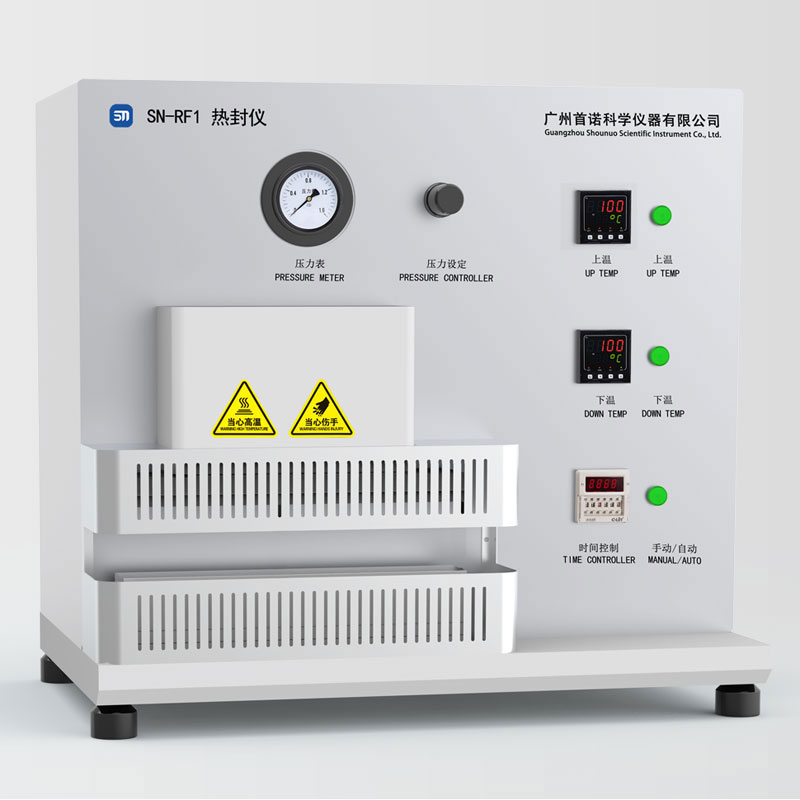
Designed with a single sealing jaw, this model offers independent adjustment of temperature, pressure, and time. It is ideal for routine film and laminate sealing trials, helping you quickly pinpoint the best process parameters at a cost‑effective price.
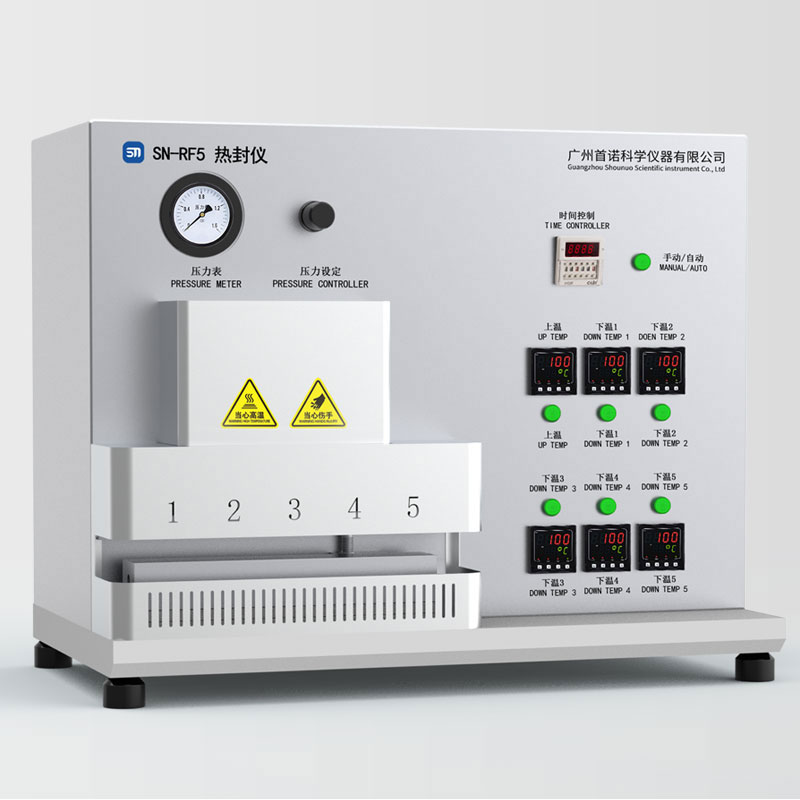
This gradient heat sealer features five independent heating jaws, each with its own temperature setting, allowing you to perform multiple sealing tests at different temperatures in a single run – dramatically improving efficiency. Ideal for complex materials like metallized films and high‑barrier laminates. Its intelligent interface meets the stringent demands of advanced R&D and QC.
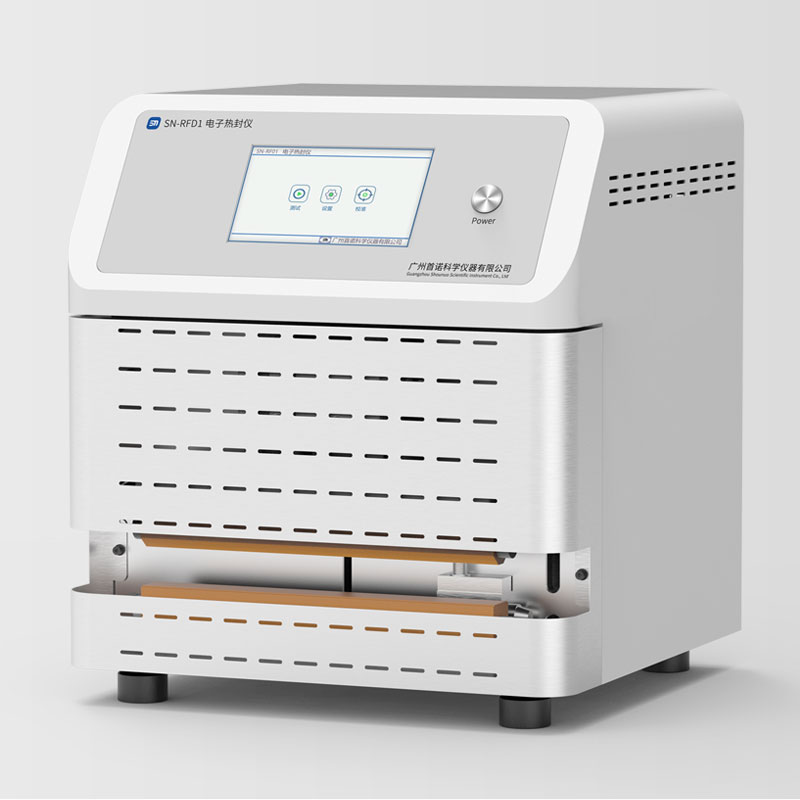
Featuring a single‑jaw design and a modern touchscreen interface, this unit also provides independent control over temperature, pressure, and time. Perfect for standard films and composites, it delivers reliable results with simplified operation.
Suitable for a wide range of packaging materials; broad parameter coverage.
Widely used in industries that demand high seal quality.
For flexible plastic food packaging, milk cartons, and cooked food pouches, ensuring tight seals and extended shelf life.
Testing seal strength of blister packs, IV bags, etc., to maintain moisture protection and product efficacy throughout the shelf life.
Quality inspection for tubes and sachets of cosmetics and detergents, preventing leakage and product degradation.
Used by material manufacturers, universities, and testing labs for new material development, process validation, and quality supervision, supporting industry standards evolution.
We comply with major international and domestic standards, providing reliable testing results for global customers.
Our professional consultants will contact you shortly to provide the latest product quotes and solutions.
Scan
Add WhatsApp
Email
info@snlabtester.com
Business Inquiry
+86 13316049470
Free Hotline
+86 020-26221916