The tablets you take and the injections you receive come into direct contact with bottles, rubber stoppers, aluminum caps, plastic films, and flexible bags. If the packaging fails, even a qualified drug can still cause problems: a container that should seal leaks; a barrier that should protect lets oxygen or moisture through; a material that should be compatible migrates; a material that should be non-toxic leaches harmful substances.
Therefore, the essence of pharmaceutical packaging testing is not “testing materials.” It is answering one question: Can this container closure system deliver the drug safely and reliably to the patient under the intended conditions of use?
In the global market, there is no single “project checklist” that can be copied directly. USP, EP, ISO, ICH harmonization guidelines, and industry consensuses such as PQRI and BPOG together form a modular, cross-referencing network of requirements. What really matters is not “how many tests there are in total,” but the evaluation logic: moving from “is the material qualified?” to “is the container closure system suitable for the target market and intended use?”—and such “suitability” must be demonstrated through a complete method chain.
Although the main global regulatory frameworks have different entry points, they generally ask about four dimensions:
| Dimension | Question it answers | Key standards/guidance entry points |
| Protection | Can it block oxygen and water vapor? Is container closure integrity reliable over the shelf life? | USP <671>, container closure integrity (CCI/CCIT) evaluation, FDA guidance on container closure systems |
| Compatibility (E&L) | When packaging and drug are in long-term contact, what components migrate into the drug? | ICH Q3E (draft), USP <1663>/<1664>, PQRI threshold framework, BPOG single-use systems approach |
| Safety | Are there elemental impurities or biological toxicity? What about cytotoxicity/sensitization of rubber components? | USP <232>/<233>, ICH Q3D, ISO 10993 series, USP <87>/<88>, EP 3.2.9 |
| Functionality | Does the rubber stopper puncture smoothly? Is heat sealing strong? Is the bottle pressure-resistant? | USP <381>, ISO 4802, functional requirements in EP 3.2.1/3.2.9 |
No single instrument can answer these four dimensions alone. In the laboratory, this translates into individual “method chains”: screen first, then quantify, then confirm; physical, chemical, and biological lines run separately, but ultimately must be assembled into a complete body of evidence.
In particular, E&L is not an optional “nice-to-have” add-on; it is a core evidence line that is systematically challenged in global submissions. The ICH Q3E draft has already divided E&L management into three steps: “risk assessment—risk control—lifecycle management,” and introduces the analytical evaluation threshold (AET) and safety concern threshold (SCT) as the basis for method design and result judgment. This means that the E&L method chain is not derived backward from a “fixed list of residual solvents,” but from “your product, your contact conditions, and your AET.”
1. Plastics and Composite Films: From “Fixed Screening Items” to an AET-Based Tiered E&L Approach
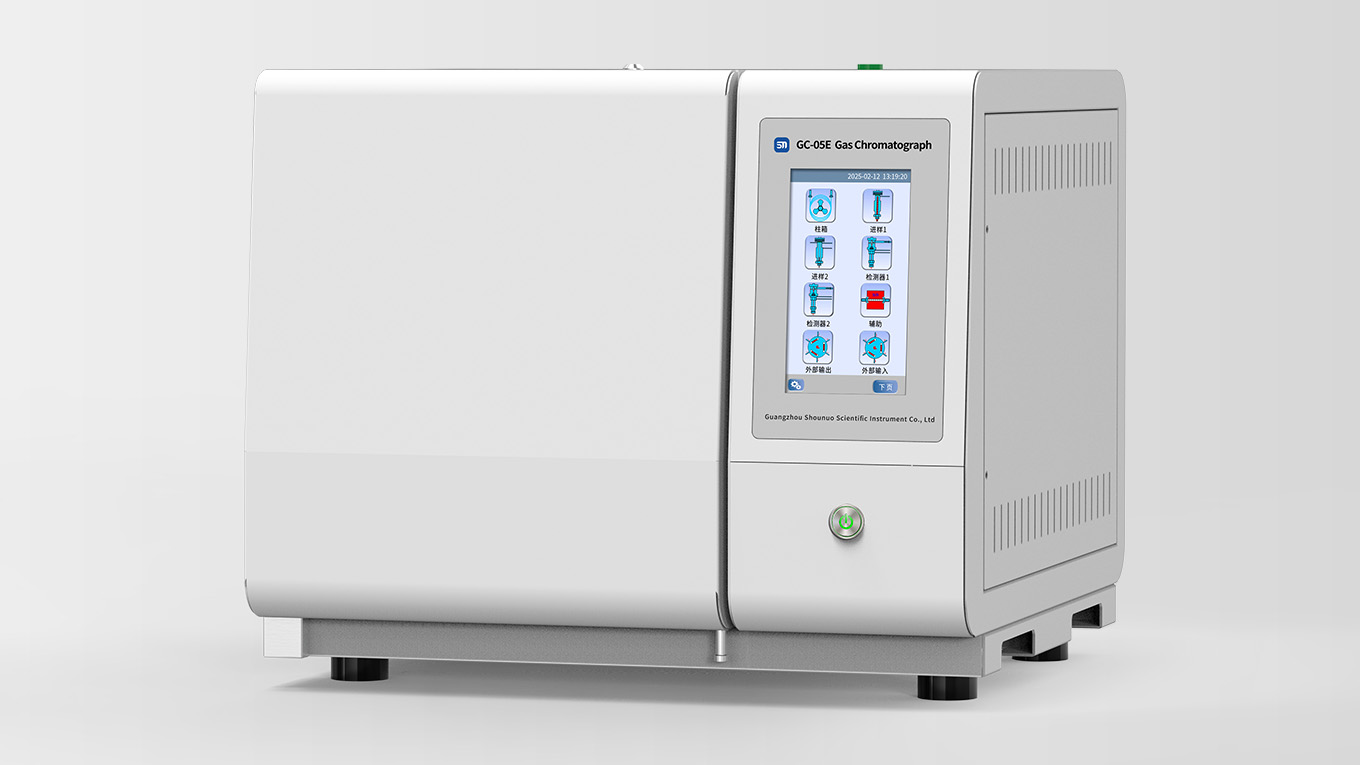
Plastic bottles, composite film bags, and flexible packaging are the most method-intensive direction. In the global market, the E&L method chain is usually organized by four substance categories: volatile, semi-volatile, non-volatile, and elemental:
| Substance category | Preferred screening/quantification technique | Role in the method chain |
| Volatile organic compounds (VOCs) | HS-GC-MS | Headspace injection screening for residual solvents and small-molecule degradation products |
| Semi-volatile organic compounds (SVOCs) | GC-MS (direct injection) | Screening for plasticizers, antioxidants, oligomers, etc. |
| Non-volatile organic compounds (NVOCs) | LC-MS / LC-MS/MS / high-resolution mass spectrometry | Screening for additives, degradation products, and macromolecular migrants; non-volatile organics are often a key focus |
| Elemental impurities | ICP-MS (preferred); ICP-OES (some scenarios) | Covering ICH Q3D/USP <232> elemental impurities and packaging leachables |
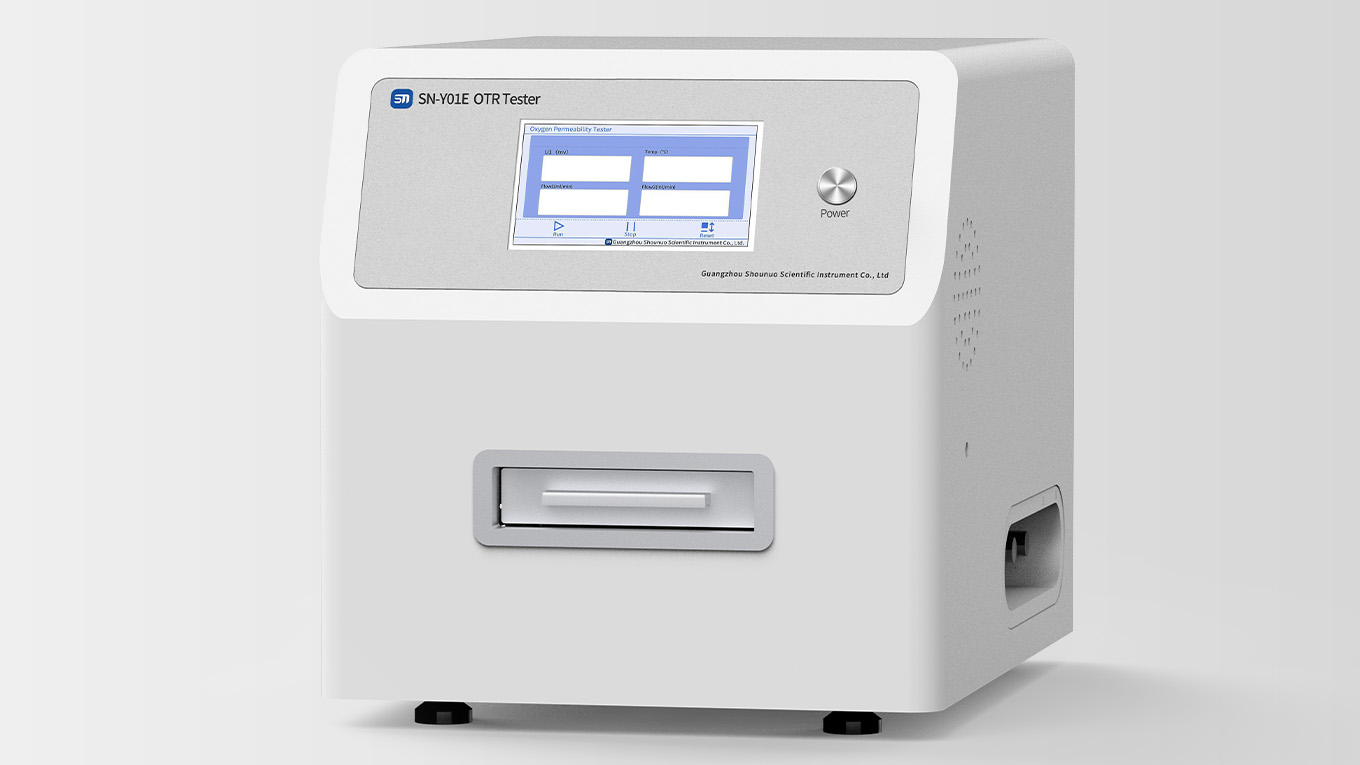
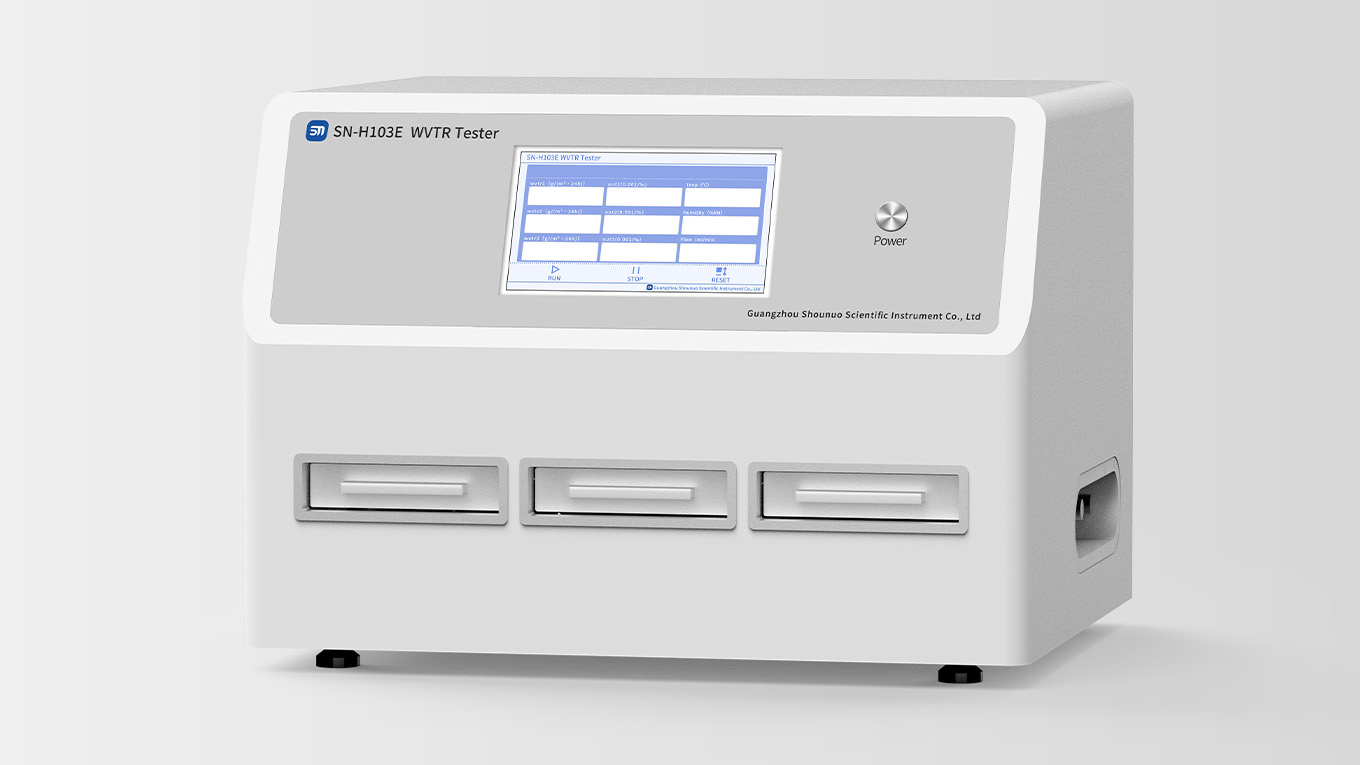
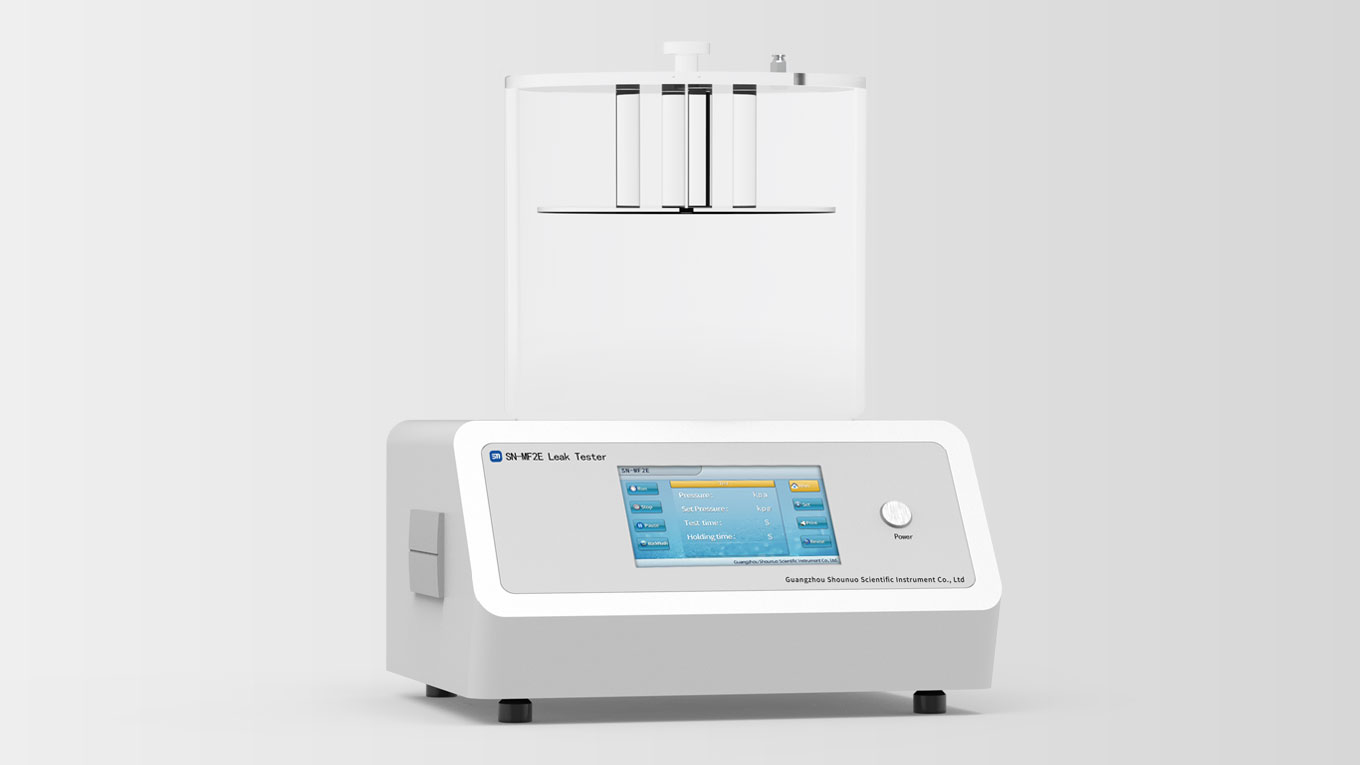
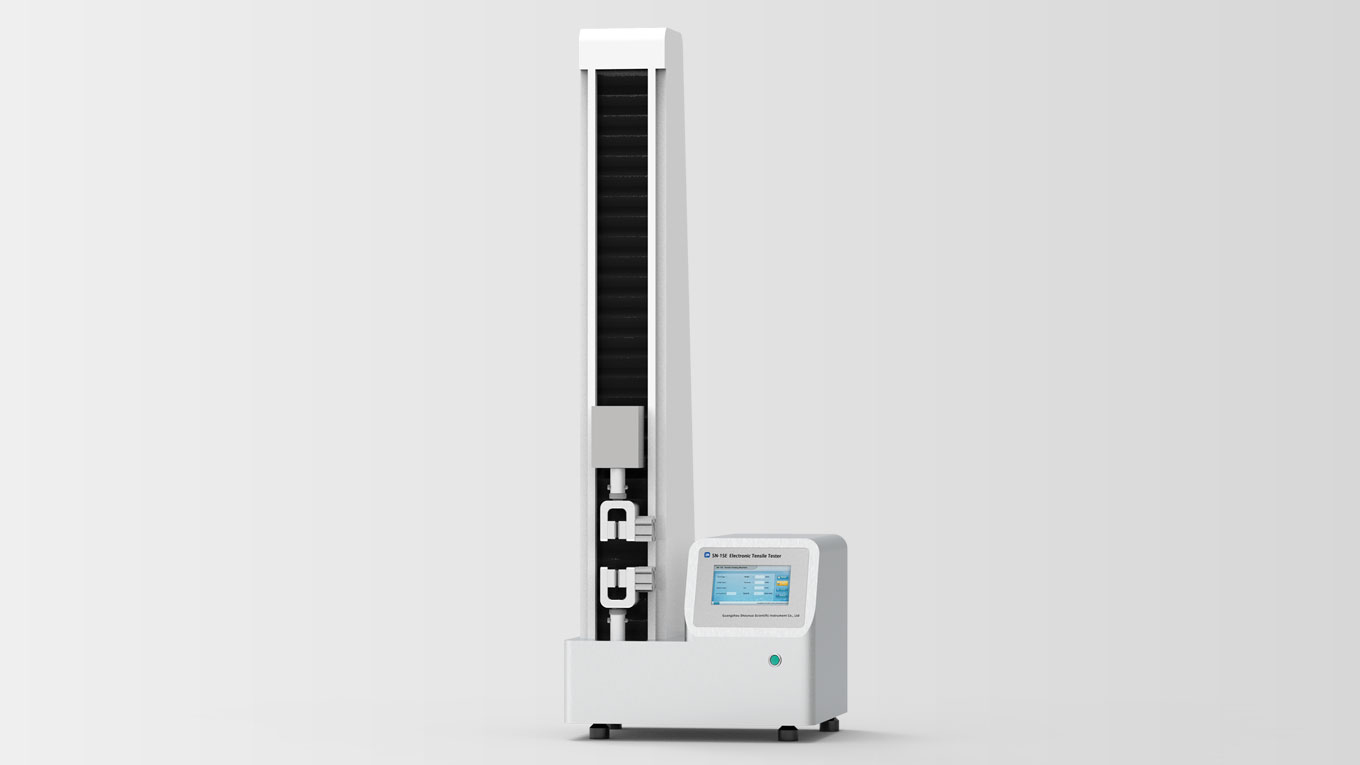
The configuration logic is not simply “buy an HS-GC for screening and a GC-MS for confirmation.” Rather, the extraction plan and analytical methods must be designed around the AET, ensuring that the method’s sensitivity (LOQ ≤ AET) and specificity are sufficient to support the full chain of “detection—identification—quantification—safety assessment.” For physical protection, oxygen/water vapor transmission rate testers, tensile testers, and seal testers remain the basic chain; however, for injection packaging, deterministic leak testing (CCIT) should be placed alongside E&L and cannot be replaced by a “physical tensile tester.”
2. Glass Containers: The Main Line Is the 121°C Internal Surface Hydrolytic Resistance Test per ISO 4802
The testing logic for glass bottles hardly overlaps with flexible packaging. The main line of global glass evaluation is not “grain-method release testing,” but the hydrolytic resistance of the internal surface of glass containers under 121°C water attack: EP 3.2.1 and ISO 4802 measure the amount of alkaline oxides released per unit area of the internal surface and classify it by HCT grade. The grain method (ISO 719/720) is used to classify the glass material itself, but the main line for container release and suitability evaluation is internal surface hydrolytic resistance.
Therefore, the configuration focus of the glass method chain should be:
When selecting glass equipment, do not look only at nominal sensitivity. For a polariscope, look at light-field uniformity and angle accuracy; for internal pressure equipment, look at pressure control accuracy; for the hydrolytic resistance extraction device, look at temperature uniformity and time control. These process parameters often affect results more than the instrument specification sheet.
3. Rubber Closures: ISO 10993 Is Not a “Reference” but the Backbone of Biological Evaluation
For rubber components such as stoppers and seals, puncture force and seal integrity can be partly covered by tensile testers and seal testers. However, biological evaluations such as cytotoxicity, sensitization/irritation, and genotoxicity enter a different system: cell culture incubators, microplate readers, and endotoxin testing systems, built or outsourced according to ISO 10993-5/-10/-3, USP <87>/<88>, and EP 3.2.9.
Physicochemical instruments cannot “offset” biological testing capability. When regulatory dossiers raise the biological evaluation requirements for rubber closures, biological testing capability must be separately built or outsourced according to ISO 10993 and pharmacopeial biological general chapters. It cannot be assumed that “physicochemical equipment is enough.” What the reviewer asks is “has cytotoxicity passed?”, not “do you have a highly sensitive GC-MS?”
4. Metal Containers: Sealing Is an Engineering Line, Migration Is an E&L Line, and Elements Are a Shared Entry Point
For aluminum caps, aluminum-plastic combination caps, metal tubes, and aerosol cans, the key items include seal integrity, coating integrity, corrosion resistance, metal ion migration, internal coating adhesion, and opening force.
ICP-MS is the mainstream technique for meeting USP <232>/<233> and ICH Q3D. Whether to configure it and to what sensitivity depends on the proportion of high-risk metal containers in the product line and the depth of E&L in the submission—not on the fact that “a certain method list says method No. X.”
Step 1: Lock in the “submission scenario,” not the “product list.” The regulatory pathway, submission type, dosage form (injection/oral/inhalation/biologic), sterilization method, and contact conditions directly determine the depth of E&L, the scope of biological evaluation, and the level of elemental impurity studies. Define the scenario first, then define the method chain.
Step 2: Derive backward by material, but use the ICH Q3E E&L framework as the common main line. For plastics/composite films, first establish an AET-based tiered method chain of GC-MS + LC-MS + ICP-MS, with physical barriers and CCIT as protection support; for glass, first align with ISO 4802 internal surface hydrolytic resistance, then configure stress/internal pressure/thermal shock as needed; for rubber, build the physicochemical line and the ISO 10993 biological line in parallel, without offsetting one against the other; for metal, separate the engineering line from the E&L elemental line, with the elemental entry point shared with plastics/glass via ICP-MS. PQRI thresholds and the BPOG single-use systems approach are important references for method design, but they are not a “mandatory project checklist”; they are industry benchmarks for risk-appropriate method development and validation.
Step 3: Put “method validation and process control” on an equal footing with instruments. Overseas regulatory review of E&L methods does not stop at “having an instrument”; the method must be validated: selectivity, linearity, accuracy, precision, LOD/LOQ, and the rationale for extraction conditions (solvent, temperature, time, surface-area-to-volume ratio). A method chain more often breaks below the AET, in extraction recovery, in blank interference, or in data integrity than because instrument sensitivity is insufficient. If a high-resolution LC-MS extraction plan cannot represent actual contact conditions, it still cannot support a “suitability” conclusion in a submission.
One-sentence summary: First align the method chain with ICH Q3E and the applicable pharmacopeial/ISO frameworks; then make every step validated, controlled, and traceable. Pharmaceutical packaging testing is not about buying a few instruments—it is about using a method chain that can withstand regulatory review questions to answer “is this container closure system truly suitable for the target market?”
Previous article:This is already the first article
Next article:Packaging Printing Residual Solvent GC Detection | EN 13628 & ASTM F1884
Back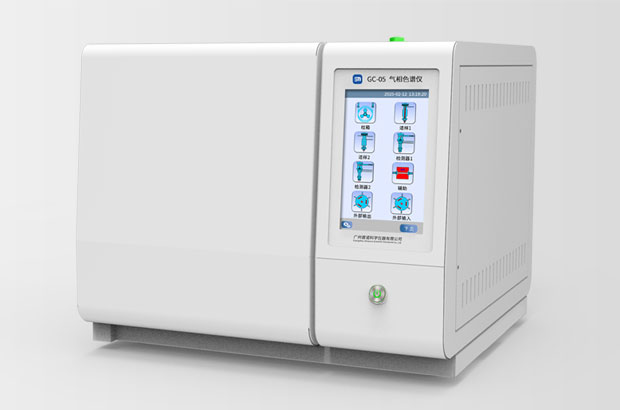
Packaging Printing Residual Solvent GC Detection | EN 13628 & ASTM F1884
02.11.2026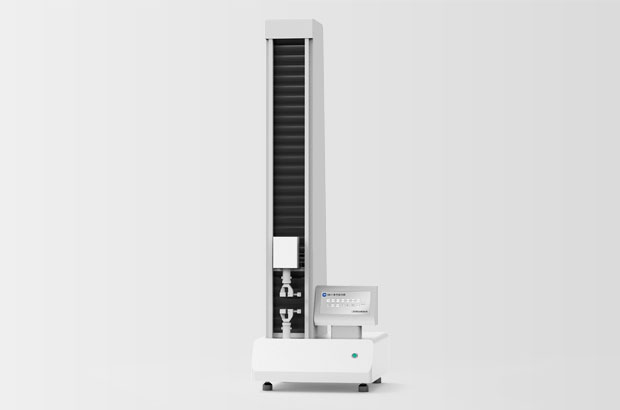
Plastic Film Tensile Testing Machine Selection: Grips and Extensometer First
26.10.2026
OTR/WVTR Testing: Reliable Data Across Brands & Methods
19.10.2026
Pendulum Impact Tester for Flexible Packaging Film Toughness
08.10.2026Scan
Add WhatsApp
Email
info@snlabtester.com
Business Inquiry
+86 13316049470
Free Hotline
+86 020-26221916