For packaging engineers and quality professionals, moisture barrier performance is non‑negotiable. Products ranging from pharmaceuticals and food to electronics and medical devices depend on accurate, reliable data about how much water vapor can penetrate their packaging over time. ASTM F1249 – the Standard Test Method for Water Vapor Transmission Rate Through Plastic Film and Sheeting Using a Modulated Infrared Sensor – is the globally recognised benchmark for this measurement.
This method delivers three critical values:
ASTM F1249 is preferred for its high sensitivity (down to 0.02 g/m²·day), speed, real‑time data acquisition, and full automation – advantages that make it indispensable in R&D, quality control, and production validation of flexible barrier materials.
How the Test Works – In Brief
The method uses a modulated infrared sensor to detect moisture that permeates through a test specimen.
Key parameters affecting results include temperature, humidity, sample thickness, and test area (typically 50 cm²). The method is validated for WVTR values from 0.052 to 26 g/(m²·day), covering most medium‑ to high‑barrier packaging films.
Industrial Applications
ASTM F1249 is widely adopted across:
ASTM F1249 vs. Alternative Methods
| Method | Standard | Principle |
| Infrared sensor | ASTM F1249, ISO 15106‑2 | Modulated IR detection |
| Electrolytic sensor | ISO 15106‑3 | Hydrolysis detection |
| Gravimetric (cup) | ASTM E96 | Weight change over time |
The infrared method is faster, more sensitive for low‑permeability materials, and provides continuous real‑time data with minimal operator intervention. It is the clear choice for modern QC laboratories.
Choosing the Right WVTR Tester for Your Lab
When implementing ASTM F1249, the instrument’s configuration directly impacts throughput without compromising accuracy. Two common setups are single‑cell and multi‑cell systems – both offering the same core technology (infrared sensor, precise environmental control, automated operation) but differing in the number of specimens tested simultaneously.
For laboratories with low‑volume or specialised testing needs, a single‑cell unit is a cost‑effective entry point. For high‑throughput QC environments, a multi‑cell system allows parallel testing of multiple specimens under identical temperature, humidity, and pressure conditions – dramatically increasing efficiency.
Guangzhou ShouNuo Scientific Instruments offers two fully ASTM F1249‑compliant models that exemplify this choice:
Single‑cell SN‑H01E – tests one specimen per run; ideal for occasional or R&D testing.
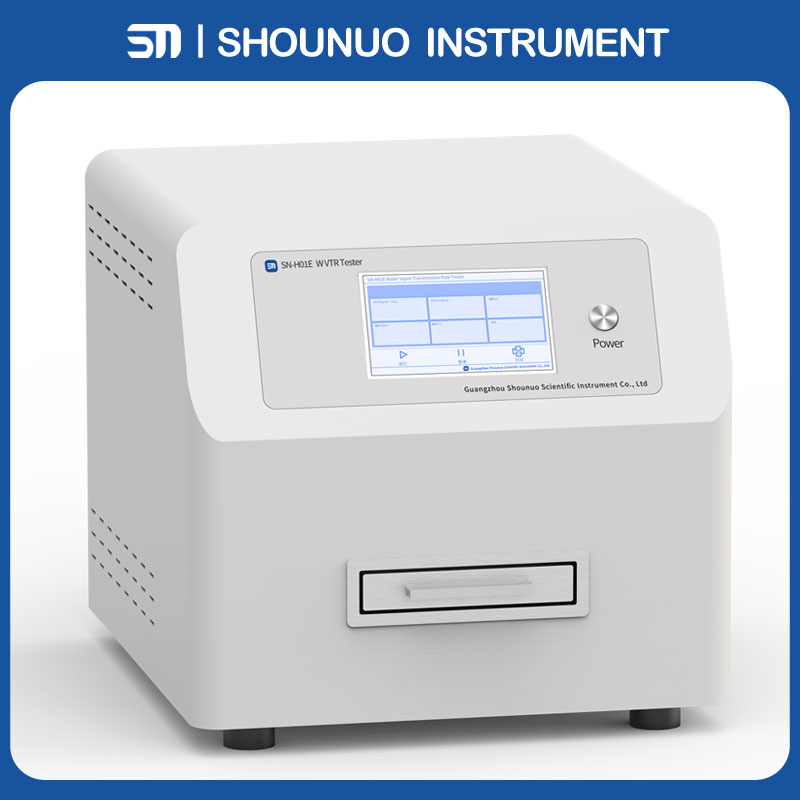
Three‑cell SN‑H103E – simultaneously tests three specimens in the same controlled environment, tripling throughput while maintaining the same precision, temperature range, humidity control, and infrared sensor performance as the single‑cell version.
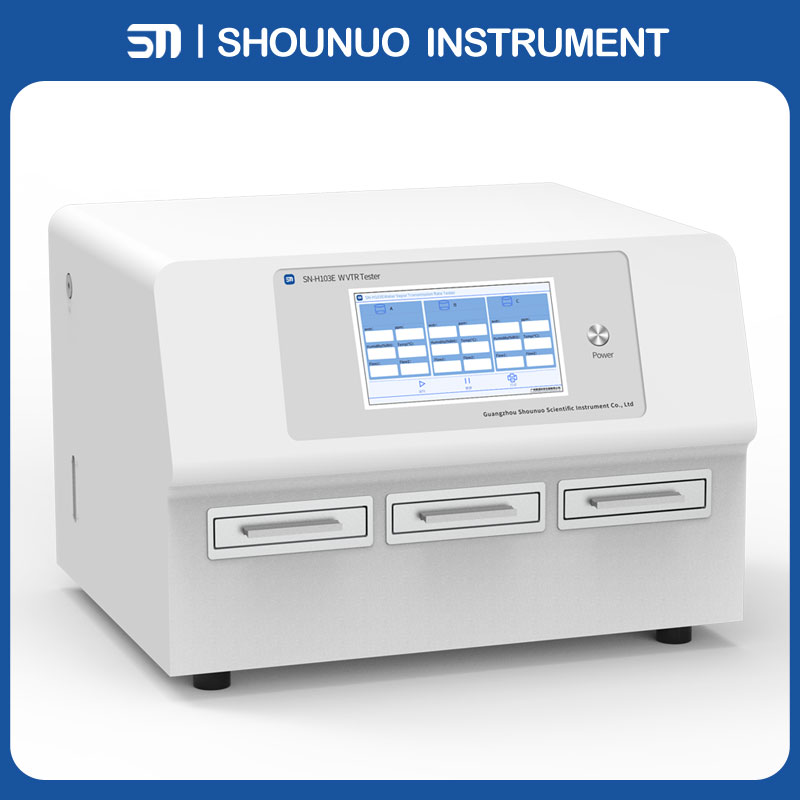
Both models share identical functionality – including imported IR sensors, 360° airflow circulation for thermal stability, touch‑screen automation, pneumatic clamping, and real‑time WVTR/temperature/humidity curves. The only difference is the number of test cells, allowing users to scale capacity according to their workload.
Essential Instrumentation Features for Reliable Results
Whether single‑cell or multi‑cell, a high‑quality WVTR Tester for ASTM F1249 should offer:
ASTM F1249 remains the gold standard for quantifying water vapour barrier performance in flexible packaging. Its infrared‑based methodology delivers unmatched sensitivity, speed, and reliability – qualities that packaging engineers, procurement specialists, and quality managers depend on daily.
Selecting the right Water Vapor Transmission Rate Tester is a strategic decision: single‑cell systems offer flexibility and economy, while multi‑cell systems maximise efficiency for high‑volume testing. With instruments like Guangzhou ShouNuo’s SN‑H01E and SN‑H103E, laboratories can implement ASTM F1249 with full confidence, knowing that the only variable is throughput – never quality or compliance.
As packaging materials evolve toward ever‑higher barriers, ASTM F1249 and the instrumentation that supports it will continue to safeguard product integrity from production line to end‑user.
Previous article:ShouNuo Plastic Film Tensile Tester Series – Comparison Guide
Next article:Gas Chromatograph for Packaging Solvent Residue GC-05/GC-06
Back
OTR/WVTR Testing: Reliable Data Across Brands & Methods
19.10.2026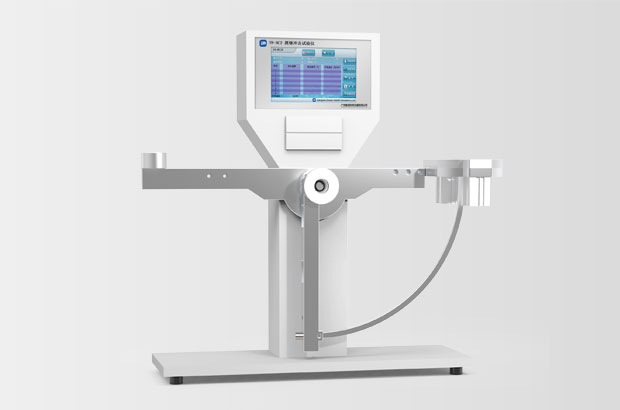
Pendulum Impact Tester for Flexible Packaging Film Toughness
08.10.2026
What Is a Heat Seal Tester? A Practical Guide for Flexible Packaging Labs
21.09.2026
How to Choose a Bottle Cap Torque Tester: Range, Accuracy, Standards & Best Practices
14.09.2026Scan
Add WhatsApp
Email
info@snlabtester.com
Business Inquiry
+86 13316049470
Free Hotline
+86 020-26221916