In industries such as packaging, medical, and composite materials, the sealing strength of products directly affects the shelf life and safety of their contents. Especially in high-temperature environments, thermal tack impact testing equipment has become an indispensable tool in quality control. This article will explore in depth how this specialized instrument helps companies accurately control the physical properties of materials under specific conditions.
Before understanding the equipment, we need to understand the concept of "heat tack." It refers to the strength of a material after heat sealing, before the seal has completely cooled and set. If subjected to external impact or pulling at this point, the seal is very likely to break.
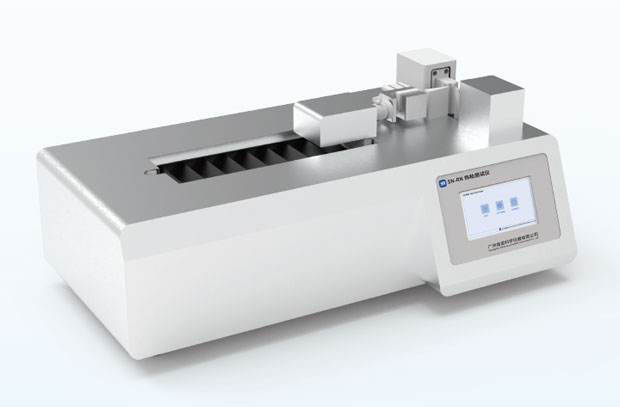
The hot-tack impact tester is a specialized instrument designed to simulate this harsh working condition. It applies a certain impact force within a very short time after the sample is heat-sealed (simulating the actual filling process on a production line), thereby determining the impact resistance of the heat-sealed area. This data is of extremely high reference value for optimizing packaging production line parameters (such as filling speed and sealing temperature).
With the increasing speed of automated production lines, packaging materials often enter the filling or drop process immediately after heat sealing. If the material's heat-bonding strength is insufficient, the following problems will occur:
Production line shutdown: Seal rupture leads to product leakage and equipment contamination.
Product scrap rate is rising: packaging leakage directly leads to the deterioration of the internal products.
Damaged brand reputation: Packaging damage during distribution affects consumer experience.
Therefore, rigorous hot-tack performance testing using a hot-tack impact tester has become a mandatory quality control requirement in industries such as food and pharmaceuticals.
A high-performance hot-tack shock tester typically integrates precision mechanics, electronic measurement and control, and intelligent temperature control technologies. Its main technical highlights include:
High-precision temperature control is
essential for ensuring the temperature uniformity of the heat-sealing knife, which is a prerequisite for accurate test results. Top-tier equipment employs PID intelligent temperature control technology to ensure minimal temperature fluctuations during heat sealing, accurately replicating the heat-sealing process under production conditions.
To simulate
the impact of products of varying weights on the seal, the tester needs to have adjustable impact strength testing capabilities. By adjusting the mass and velocity of the pendulum or drop hammer, the energy absorption limit of the material can be quantified.
Microsecond-level delay control
is a key indicator for measuring equipment performance. The time delay (usually measured in milliseconds) from the end of heat sealing to the start of impact must be precisely controllable to accurately reflect the mechanical performance of the material in a "hot-bonded" state.
Modern testing instruments
are no longer simply mechanical devices. The accompanying data acquisition system can display impact force values and energy change curves in real time, and automatically generate statistical reports, helping quality control personnel quickly determine the qualification of batches of materials.
In the flexible packaging industry: testing the heat-sealing strength of aluminized film, composite film, and paper-plastic composite bags to prevent breakage of the side or back seals of the packaging.
Medical supplies: Used for testing the sterile barrier system of infusion bags and surgical packs to ensure the sterility and effectiveness of medical devices.
Building materials: Hot melt welding strength test of some polymer waterproof membranes.
When purchasing a hot tack impact tester , you need to pay attention to the following points:
Measurement range: Select the appropriate impact energy range based on the characteristics of your product.
Temperature control accuracy: fluctuations within ±0.5℃ are preferred.
Standards compliance: Confirm whether the equipment complies with ASTM F1921 (Standard Method for Hot Tack Test) or relevant domestic GB standards.
Automation level: Fully automatic operation and data export functions can greatly improve detection efficiency.
In the context of Industry 4.0, data-driven quality control has become mainstream. Investing in a high-precision hot-tack impact tester is not only a guarantee of product quality but also a long-term investment in brand reputation. It helps companies eliminate the risk of heat-sealing leakage at the source, optimize production costs, and enhance market competitiveness.
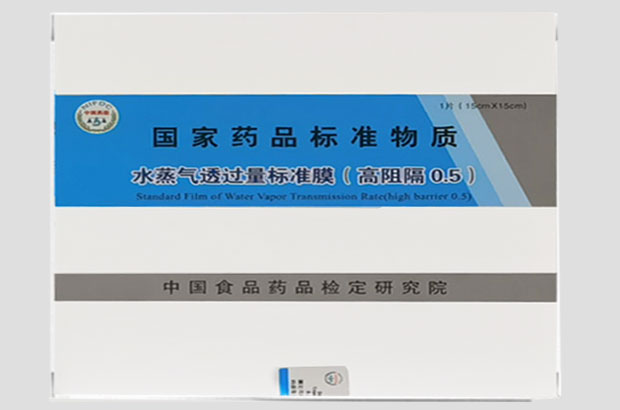
OTR/WVTR Testing: Reliable Data Across Brands & Methods
19.10.2026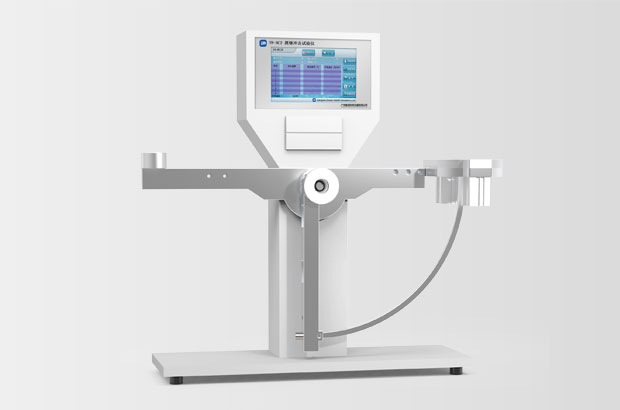
Pendulum Impact Tester for Flexible Packaging Film Toughness
08.10.2026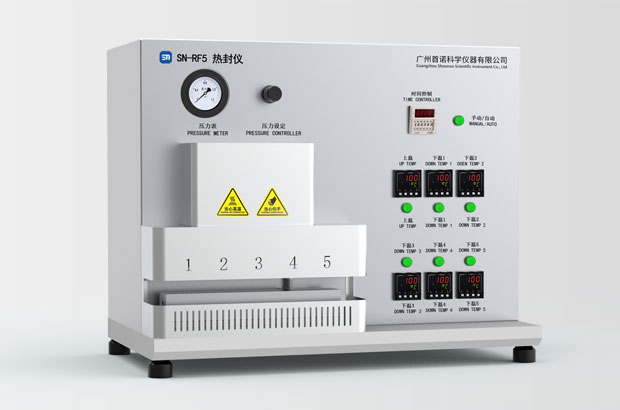
What Is a Heat Seal Tester? A Practical Guide for Flexible Packaging Labs
21.09.2026
How to Choose a Bottle Cap Torque Tester: Range, Accuracy, Standards & Best Practices
14.09.2026Scan
Add WhatsApp
Email
info@snlabtester.com
Business Inquiry
+86 13316049470
Free Hotline
+86 020-26221916