In the packaging industry, there is one quality control parameter that cannot be overlooked—seal performance. Whether for food, pharmaceuticals, or industrial products, the seal integrity of packaging directly affects shelf life, product safety, and user experience. The key equipment that makes this testing possible is what we’re discussing today: the Leak and Seal Strength Tester.
Imagine buying a bag of vacuum-sealed nuts. If there’s a tiny leak at the seal, the nuts may become soft and stale within a week. Or consider a vial of injection solution—if the packaging has microscopic holes invisible to the naked eye, the drug could become contaminated, directly endangering patient safety. These seemingly minor issues can lead to serious quality incidents and brand crises.
Traditional water immersion testing (submerging the package in water and looking for bubbles) is intuitive but has significant limitations: it only detects relatively large leaks, the sample is destroyed during testing, and it provides no quantitative measurement. This is where the Leak and Seal Strength Tester delivers real value.
These instruments typically operate using either positive pressure or negative pressure (vacuum) methods. In simple terms, the package is placed inside a sealed test chamber. Compressed air is introduced into the chamber or a vacuum is drawn, creating a pressure differential between the inside and outside of the package. Sensors continuously monitor pressure changes. If the pressure drops beyond a preset threshold within a specified time, the system determines that a leak exists.
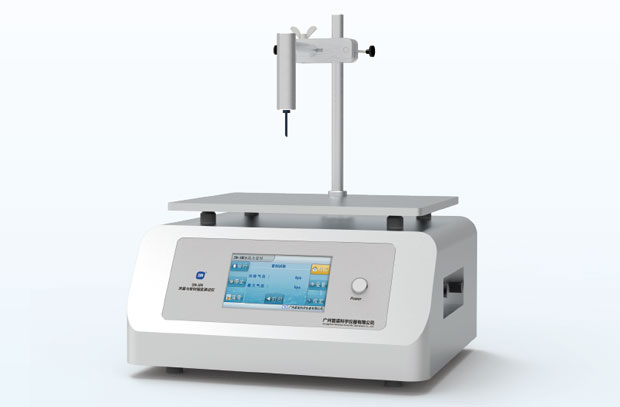
More advanced instruments can calculate the specific leak rate using precision sensors, providing quantitative data in units such as milliliters per minute or Pascals per second. This quantitative analysis capability is essential for packaging selection during the R&D phase and for optimizing production processes.
In practice, the following industries have the most significant demand for Leak and Seal Strength Testers:
Pharmaceutical Industry: The seal integrity of drug packaging (aluminum blister packs, IV bags, vials, etc.) is directly linked to sterility assurance levels. Regulatory authorities are imposing increasingly strict requirements on package integrity, and many companies have incorporated seal testing into mandatory pre-shipment inspection procedures.
Food Industry: Vacuum packaging, modified atmosphere packaging, canned goods, and similar products require seal integrity testing to ensure stability throughout their shelf life. This is especially critical for infant foods and high-end meat products, which demand exceptionally reliable packaging.
Cosmetics and Personal Care: Pump dispensers and squeeze tubes for lotions and cleansers can leak during transport if seals are defective, leading to product loss and customer complaints.
Electronics and Industrial Products: Precision components requiring moisture protection, desiccant packaging, and similar applications also depend on reliable seal testing.
With numerous brands and models of Leak and Seal Strength Testers available on the market, consider the following key factors when making a selection:
Testing Precision: Choose an accuracy level that matches your product requirements. High-demand applications like medical devices require high-precision sensors, while standard food packaging may be adequately served by a more basic configuration.
Test Range: Verify that the equipment’s maximum test pressure and vacuum capabilities cover your product’s needs. Some rigid, thick-walled packages require higher test pressures for effective detection.
Sample Fixtures: Different package shapes and materials require different fixtures to secure them during testing. Reputable suppliers offer custom fixture solutions to ensure repeatable test results.
Data Traceability: With increasingly stringent quality system requirements, instruments that offer data storage, printing, and export capabilities are better suited to meet compliance needs.
Through practical experience, I’ve observed several common misconceptions regarding seal integrity testing:
One is assuming that “no leak detected means it’s acceptable.” In reality, seal strength is equally important—some packages may not leak under normal conditions but can fail under transportation stacking pressure or low-temperature environments. Therefore, a Leak and Seal Strength Tester should evaluate not only leakage but also the package’s strength under pressure.
Another misconception is neglecting test frequency. Seal integrity is not something that can be verified once and forgotten. Mold wear, heat-seal temperature fluctuations, and material batch variations during production can all affect seal quality. Establish a routine sampling and testing schedule, integrating seal testing into your daily quality control processes.
A third issue is improper disposal of tested samples. Destructive test samples should be disposed of according to established procedures to prevent them from accidentally entering the market.
As smart manufacturing and Industry 4.0 advance, Leak and Seal Strength Testers are evolving toward greater intelligence and inline integration. Traditional benchtop standalone testing is gradually being replaced by online leak detection systems—testing equipment is integrated directly into packaging production lines, enabling 100% inspection with traceable data for every package. This shift not only enhances quality assurance but also reduces the risks associated with manual sampling inspection.
On the regulatory front, standards for package integrity testing in the pharmaceutical sector (such as USP 1207) continue to evolve, imposing stricter requirements on testing methods and data integrity. It’s foreseeable that seal testing equipment will become a standard component of quality control across even more industries.
The Leak and Seal Strength Tester may seem like a niche category of equipment, but it plays an irreplaceable role in ensuring product quality and safety. Whether you are a packaging engineer, quality manager, or procurement professional, gaining a deeper understanding of the technical characteristics and applications of this equipment will help you build a more robust quality control system.
If you encounter specific challenges in package seal testing, feel free to leave a comment. Experience has shown that a small packaging defect can escalate into a major brand trust crisis. Taking seal testing seriously is a responsibility to consumers and to your own business.
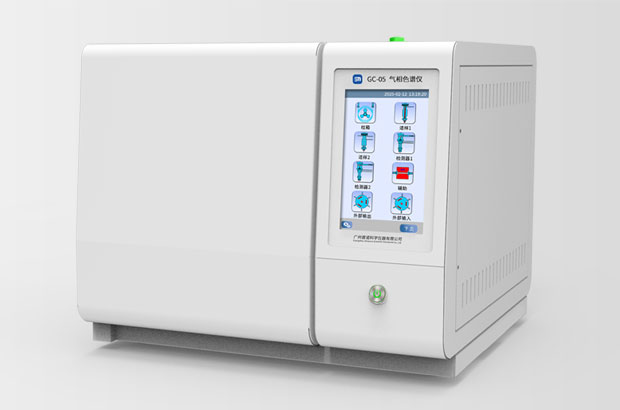
Packaging Solvent Tester – Detect Odors Before They Reach Your Client
07.09.2026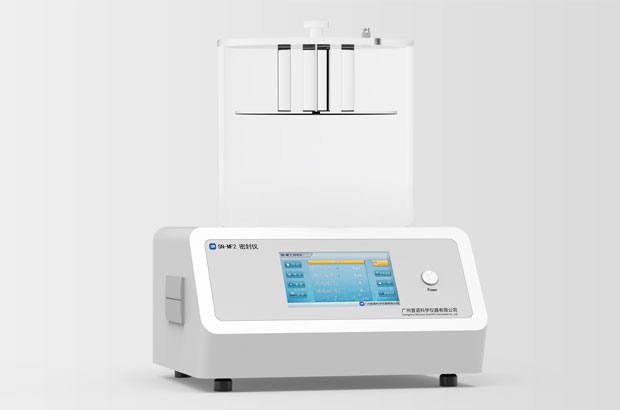
Package Leak Tester: Stop Costly Leaks Before They Happen
31.08.2026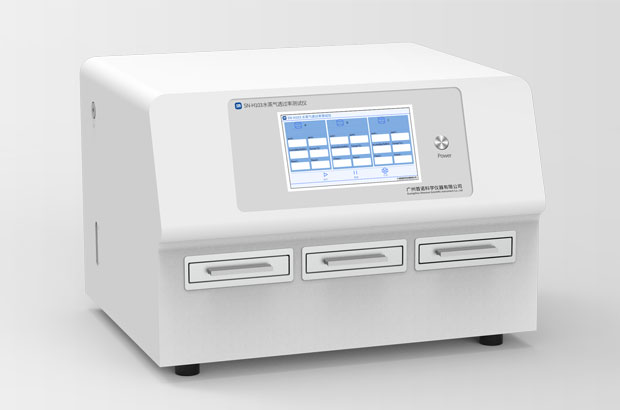
Food Packaging Water Vapor Transmission Rate Tester
24.08.2026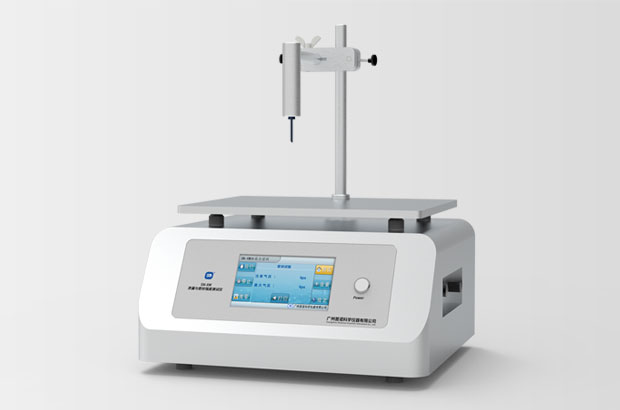
Positive Pressure Seal Tester for Leak and Seal Strength Testing | ASTM F1140 & ISO 11607 Compliant
17.08.2026Scan
Add WhatsApp
Email
info@snlabtester.com
Business Inquiry
+86 13316049470
Free Hotline
+86 020-26221916