When conducting incoming packaging material inspections or new product development, quality control personnel often face a practical question: how much stacking pressure can a packaging bag actually withstand? And when it comes to purchasing a bag compression tester, concerns about data fluctuation and whether the equipment truly replicates warehouse conditions are common. These questions may appear basic, but mastering the instrument and using it efficiently demands more than surface-level knowledge.
Rather than presenting abstract theories, this article addresses real-world testing needs—covering the critical technical parameters of a compression tester for packaging bags, key selection criteria, and subtle operational pitfalls that are frequently overlooked.
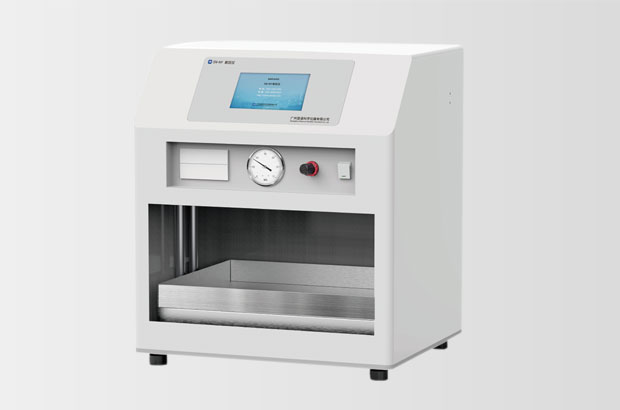
First, let’s clear up a common confusion: a packaging bag compression tester evaluates a package’s bearing capacity under static pressure—essentially, how much weight the bottom bag can endure when stacked flat, without rupturing or seal separation. This is fundamentally different from puncture resistance, which deals with sharp object impacts (e.g., whether product corners could pierce the bag).
Compression test instruments on the market are primarily driven by either pneumatic cylinders or electric leadscrews. Pneumatic models use compressed air to apply load, while electric ones employ a servo motor to rotate the leadscrew and lower the platen.
From an operational perspective, pneumatic bag compression testers offer two tangible benefits: fast loading speed (thanks to quick cylinder response), which boosts batch testing throughput, and lower energy consumption during pressure-hold phases, since the force is sustained by air supply rather than continuous motor power that can cause overheating.
However, pneumatic systems are not without drawbacks. Their loading speed is sensitive to plant air pressure stability—fluctuations can compromise repeatability. Moreover, at low force ranges (e.g., below tens of kilograms), pneumatic linearity often lags behind high-precision leadscrew drives. Therefore, if your work involves delicate thin-walled pouches or small lightweight sachets that require controlled low-speed pressurization, an electric leadscrew design may be preferable. The final choice should weigh your sample types and test frequency.
The answer hinges on your packaging formats. For standard food bags, medical sterilization pouches, and daily-use stand-up pouches, individual load requirements typically fall between 5 and 80 kg, so a 250 kg upper limit is more than ample. For heavy-duty industrial packaging—such as inner liners for 25 kg woven chemical bags or bulk bag liners—stack heights can push single-bag loads beyond 100 kg, yet the 250 kg range still covers the majority of cases.
The real concern lies at the low end. A 25 kg starting point means the device does not accurately sense force changes below that threshold—though resolution is quoted as 0.001 kg, that’s a theoretical full-scale division. In practice, for very low-capacity thin bags (e.g., small sachets under a few kilograms), linearity and repeatability in the low zone tend to degrade. If your product portfolio is dominated by lightweight small packages, we recommend asking the supplier for low-range calibration verification, or opting for a version with a smaller load cell.
Both issues point to the same root cause: data variability usually arises not from inadequate equipment precision, but from non-standardized testing conditions. Temperature, humidity, sample state, pressurization speed, warm-up time—if any one of these variables drifts, so will your numbers. As for simulating actual warehouse scenarios, the key is not how sophisticated the machine is, but whether your test parameters (load magnitude, duration, and environmental settings) match real stacking conditions. Thoroughly understanding the relevant standards and rigorously executing each operational step is far more effective than chasing higher-spec hardware.
Ultimately, a packaging bag compression tester is a tool—choose the right range, follow correct procedures, and develop good habits, and it will consistently deliver reliable data, acting as the gatekeeper of your packaging quality control. On the flip side, neglecting the details above, even the most accurate instrument can produce misleading results. We hope this guide proves valuable for those currently using or planning to acquire such equipment.
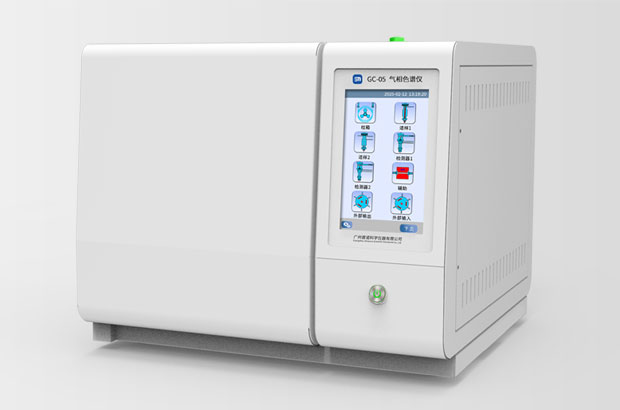
Packaging Solvent Tester – Detect Odors Before They Reach Your Client
07.09.2026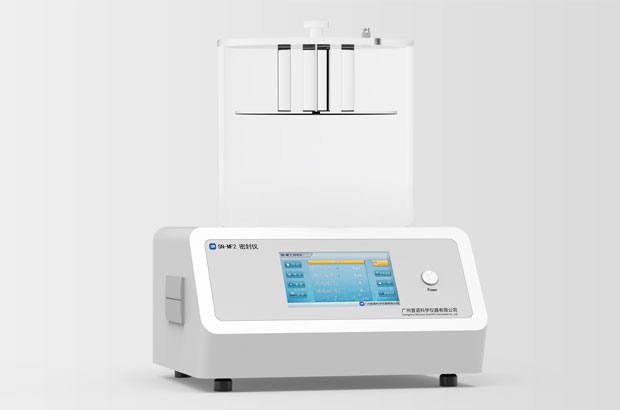
Package Leak Tester: Stop Costly Leaks Before They Happen
31.08.2026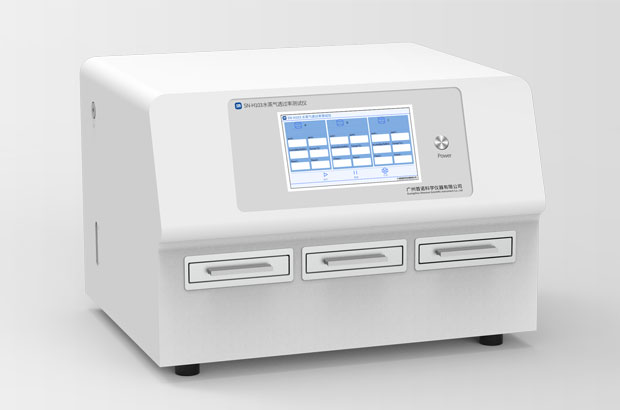
Food Packaging Water Vapor Transmission Rate Tester
24.08.2026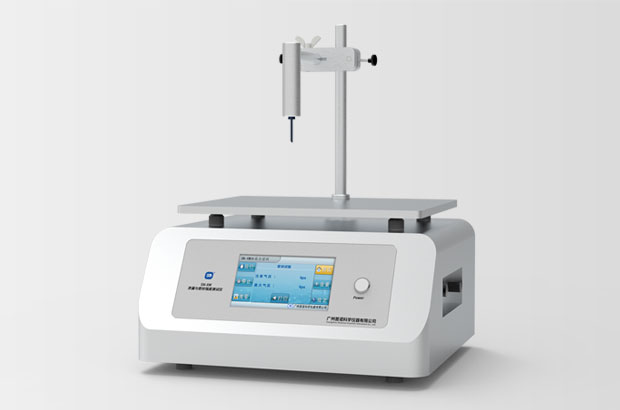
Positive Pressure Seal Tester for Leak and Seal Strength Testing | ASTM F1140 & ISO 11607 Compliant
17.08.2026Scan
Add WhatsApp
Email
info@snlabtester.com
Business Inquiry
+86 13316049470
Free Hotline
+86 020-26221916