In industries such as flexible packaging, food, pharmaceuticals, and photovoltaics, the Water Vapor Transmission Rate (WVTR) is a core metric for evaluating material barrier properties. A reliable WVTR analyzer directly impacts the credibility of shelf-life predictions, the effectiveness of quality control, and the accuracy of R&D direction.
However, during the selection process, many users find that despite comparing numerous spec sheets, the purchased instrument either fails to measure actual samples, shows poor repeatability, or is too cumbersome for daily use. The root cause is that spec sheets often represent the upper limits of performance under ideal conditions, whereas users require stable performance under real-world operating conditions.
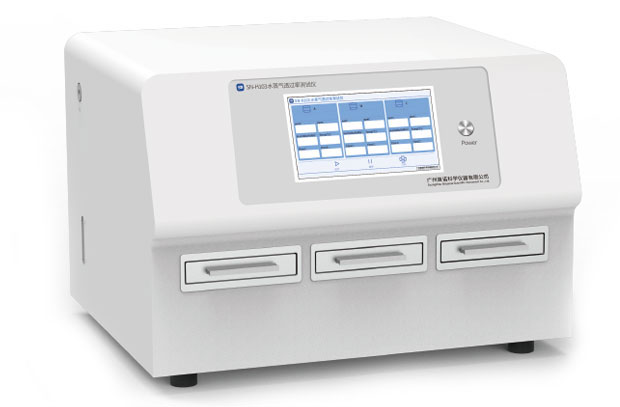
Based on technical logic, we provide a practical evaluation framework centered on three dimensions: Sample Compatibility, Data Reliability, and Operational Ease-of-Use, to help you make a rational procurement decision.
This is the first threshold of selection and the most frequently overlooked. "Measurement Ranges" on spec sheets are often optimized for standard films (e.g., PET), while actual labs deal with diverse sample formats.
Accuracy is not an isolated figure; it is a result guaranteed by system stability, calibration traceability, and repeatability.
Usability is often undervalued during procurement but becomes the deciding factor for user satisfaction after six months of use.
| Key Points | Recommended Direction |
| Testing Throughput | Multiple chambers with independent control for concurrent testing of different samples. |
| Clamping Operation | Pneumatic or quick-action fixtures to minimize human error/variation. |
| Sensor Lifespan | Inquire about design life and replacement costs (especially critical for Infrared Sensors). |
| Data Management | Built-in database with audit trails to eliminate manual transcription. |
Hidden costs to consider: Desiccant replacement frequency, chamber cleaning difficulty, and time required for routine calibration. These are hard to quantify at the purchase stage but can be gauged by asking existing users or requesting a live demonstration.
The Golden Rule: Never decide based on spec sheets alone, and do not be swayed by oversimplified claims (e.g., "Infrared is always superior to the Gravimetric method"). Validation using your actual samples under real operating conditions is the most reliable selection method.
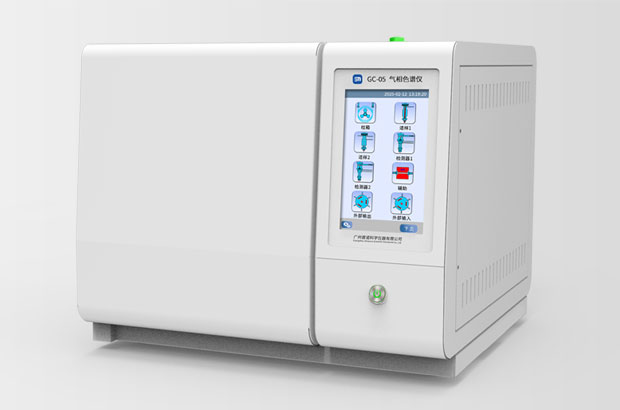
Packaging Solvent Tester – Detect Odors Before They Reach Your Client
07.09.2026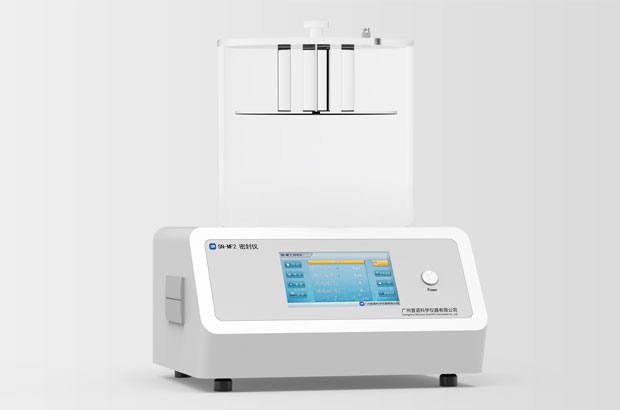
Package Leak Tester: Stop Costly Leaks Before They Happen
31.08.2026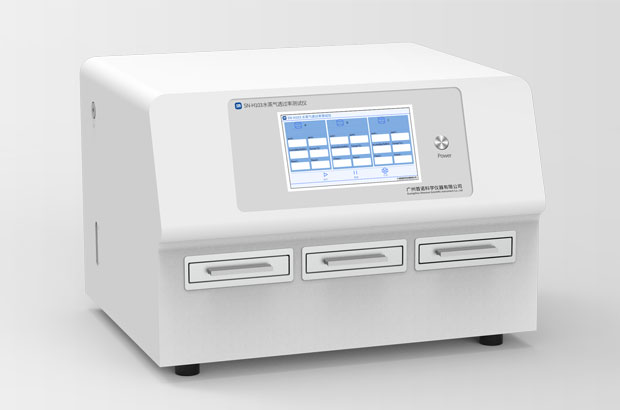
Food Packaging Water Vapor Transmission Rate Tester
24.08.2026
Positive Pressure Seal Tester for Leak and Seal Strength Testing | ASTM F1140 & ISO 11607 Compliant
17.08.2026Scan
Add WhatsApp
Email
info@snlabtester.com
Business Inquiry
+86 13316049470
Free Hotline
+86 020-26221916