In the modern packaging industry, the counter-pressure autoclave (also known as a counter-pressure sterilization retort or counter-pressure high-temperature sterilizer) is one of the essential pieces of equipment for ensuring product safety and extending shelf life. This article will delve into the core functions, applicable scenarios, working principles, and key considerations for selecting this equipment, providing valuable insights for professionals in the packaging industry.
The counter-pressure autoclave primarily serves the dual purposes of sterilization and preservation in the packaging industry. By creating a high-temperature, high-pressure saturated steam environment, it thoroughly eliminates microorganisms such as bacteria and spores within the packaging, thereby significantly enhancing the hygienic safety of products. It is particularly suitable for industries with high sterility requirements, such as food, pharmaceuticals, and cosmetics, effectively preventing product spoilage during storage and distribution. Additionally, through precise counter-pressure control, the device balances internal and external pressure during the sterilization process, preventing packaging from expanding or rupturing due to pressure differentials and ensuring packaging integrity. This feature makes it a critical component in the sterilization process for sealed products like flexible packaging, bottled goods, and canned items.
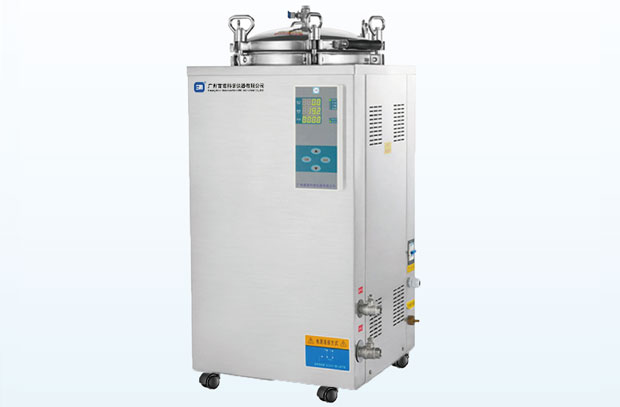
Counter-pressure autoclaves are widely used in the following scenarios. First, for ready-to-eat foods, condiments, liquid foods, and other products requiring long-term preservation, high-temperature sterilization is a common method for preventing spoilage. Second, in the sterilization of medical devices and laboratory equipment packaging, these devices meet stringent microbial control standards. Furthermore, with the rise of emerging markets such as prepared meals and pet food, counter-pressure autoclaves have become indispensable packaging testing instruments in their production lines. They are not only suitable for large-scale industrial production but also for product stability testing during the research and development phase in laboratories, helping companies validate packaging solutions before product launch.
The working principle of the counter-pressure autoclave is based on the thermal penetration effect of high-temperature steam and pressure balancing technology. During operation, products are first placed in a sealed sterilization chamber, and high-temperature saturated steam is generated via a heating system. The steam rapidly penetrates the packaging material, uniformly raising the internal temperature of the product to the required sterilization level (typically above 121°C). During this process, the counter-pressure system injects compressed air into the sterilization chamber to maintain consistent internal and external pressure, preventing deformation or bursting of the packaging due to increased internal pressure. After sterilization, a cooling system gradually reduces temperature and pressure, ensuring the safe removal of products while maintaining sterility. The entire process is monitored by an automated control system, allowing precise adjustment of temperature, pressure, and time parameters to accommodate different packaging materials and product characteristics.
When selecting a counter-pressure autoclave, several factors must be considered to ensure the equipment meets production requirements. First, attention should be paid to the temperature and pressure control range of the device to ensure it covers the parameters required for the sterilization process. Second, the precision and stability of the counter-pressure function are crucial, as they directly impact packaging integrity and sterilization effectiveness. Additionally, the sterilization chamber’s capacity must match the production scale, as overly large or small chambers may affect efficiency and costs. In terms of materials, a high-quality stainless steel inner chamber and sealing structure enhance equipment durability and prevent contamination. At the same time, safety features such as pressure relief devices and door interlock systems should not be overlooked. Finally, as a precision packaging testing instrument, the counter-pressure autoclave should ideally include data recording and traceability functions to facilitate production quality management and compliance audits. It is advisable to prioritize brands that offer technical support and after-sales service to ensure long-term stable operation.
In summary, the counter-pressure autoclave plays a key role in ensuring product safety and quality in the packaging industry. Whether used for food sterilization, medical device processing, or as a packaging testing instrument in the research and development phase, its efficient and stable performance provides strong support for companies seeking to enhance their competitiveness. By gaining a deeper understanding of its functions, applications, working principles, and selection criteria, industry users can more scientifically choose and operate this equipment, thereby optimizing production processes and meeting the growing market demand for safe packaging.
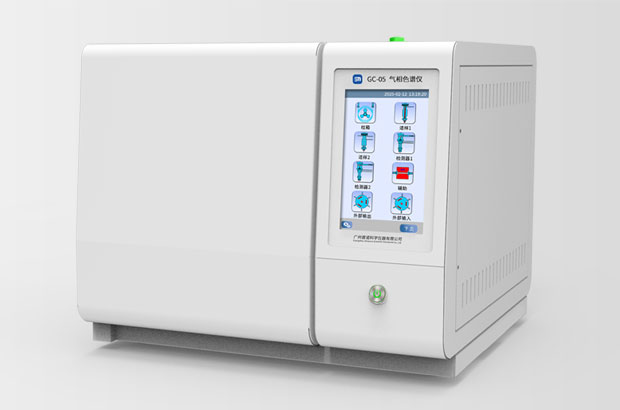
Packaging Solvent Tester – Detect Odors Before They Reach Your Client
07.09.2026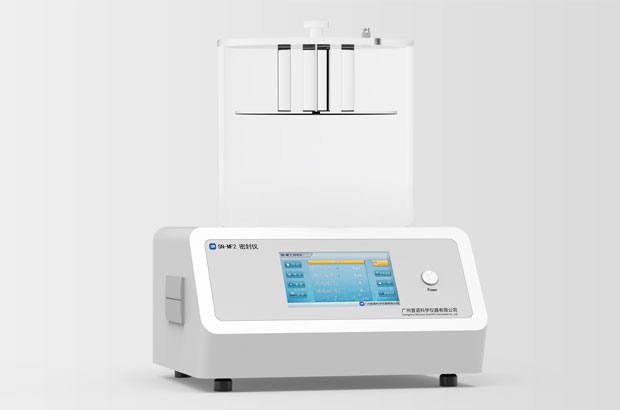
Package Leak Tester: Stop Costly Leaks Before They Happen
31.08.2026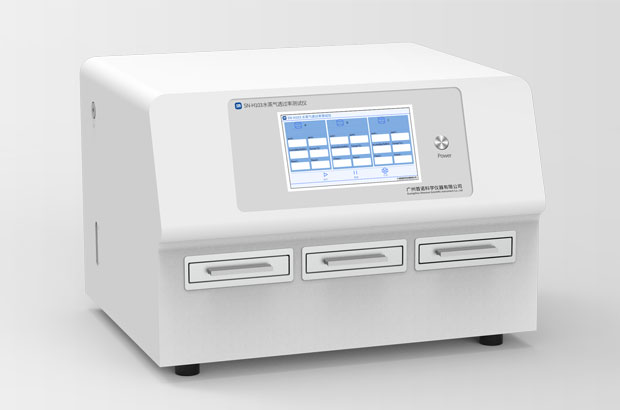
Food Packaging Water Vapor Transmission Rate Tester
24.08.2026
Positive Pressure Seal Tester for Leak and Seal Strength Testing | ASTM F1140 & ISO 11607 Compliant
17.08.2026Scan
Add WhatsApp
Email
info@snlabtester.com
Business Inquiry
+86 13316049470
Free Hotline
+86 020-26221916