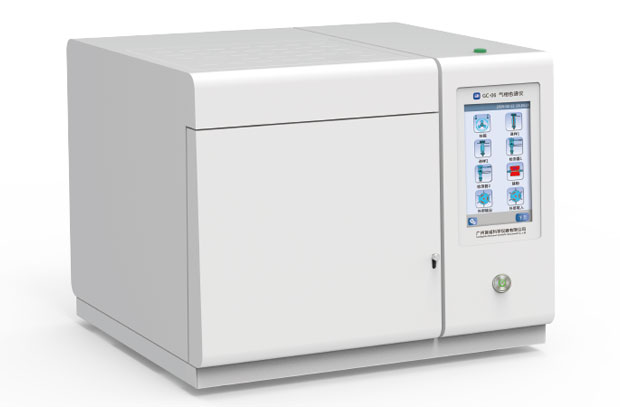
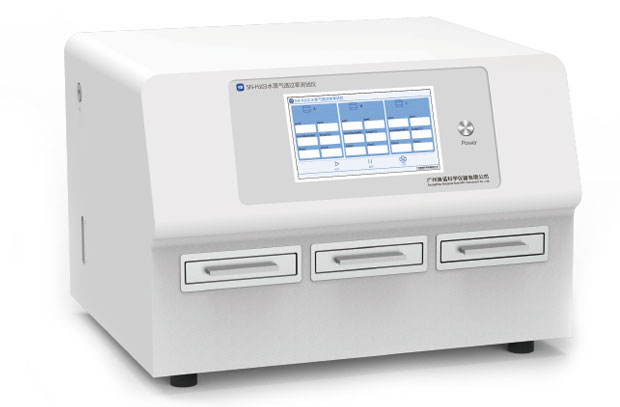
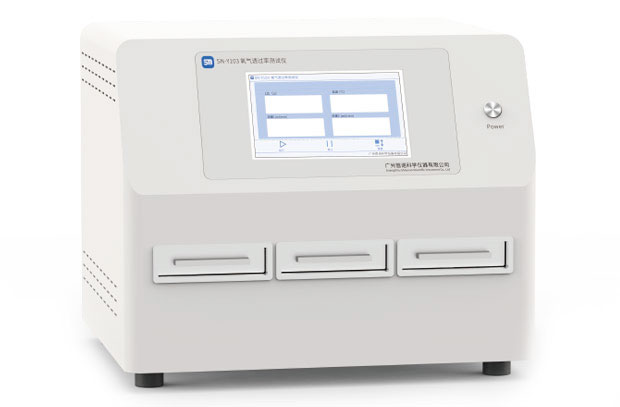
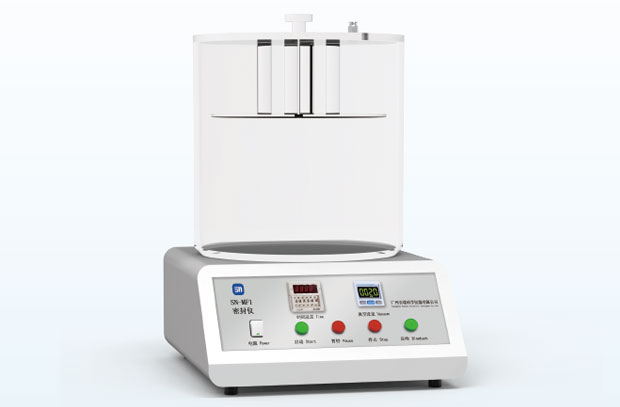
In the packaging workshop, a hidden truth emerges over time: the "coat" of a bag of potato chips, a sauce packet, or a blister pack of medicine is far more complex than it appears. Those multi-colored composite films and aluminum foil bags rely heavily on inks and adhesives during production, most of which contain organic solvents. If these solvents fail to volatilize completely, residual harmful substances can silently contaminate the food or pharmaceuticals inside. To capture these invisible "safety hazards," a reliable gas chromatograph for packaging is an indispensable piece of core equipment.
Today, in any well-regulated packaging enterprise, a laboratory is incomplete without a gas chromatograph for packaging. It is no longer an optional "premium configuration" but a mandatory requirement to ensure product safety and corporate compliance.
Solvent Residue: The Non-Negotiable "Safety Lifeline" of the Packaging Industry
One might wonder why a seemingly simple packaging bag requires professional chemical analysis equipment. This brings us to a critical process in flexible packaging production: dry lamination. To firmly bond different materials like PET, PE, and aluminum foil, adhesives and inks must be diluted with organic solvents. Ethyl acetate, butanone, toluene, and xylene are common solvents used in this phase. Although the materials pass through heating tunnels to facilitate volatilization after lamination, some "stubborn molecules" remain trapped within the packaging structures, forming solvent residues.

If solvent residues exceed limits—especially benzene-based substances—the consequences are severe. Toluene and xylene possess neurotoxicity, and long-term exposure or ingestion can damage human health. For enterprises, exceeding these limits means a total recall of product batches, leading to catastrophic economic losses.
Therefore, the core role of a gas chromatograph for packaging is to build the final line of defense before products leave the factory, precisely separating and quantifying various solvent components to ensure every batch meets safety standards.
Detection Revealed: The Industry Standard Pair of Headspace Sampling + Gas Chromatograph
The detection method for solvent residue is highly established. Currently, the most mature and widely used method in the industry is "Headspace-Gas Chromatography." The workflow is clear and straightforward: a quality inspector cuts a small specimen of the packaging film and places it into a 20ml sealed vial, which is then heated in a headspace sampler. During heating, residual solvent molecules in the packaging material volatilize into the "headspace" (the air at the top of the vial). Subsequently, the sampling needle of the gas chromatograph for packaging extracts 1ml of this gas and injects it into the chromatographic column for separation. Finally, the Flame Ionization Detector (FID) makes the different solvents "visible."
The instrument ultimately outputs a chromatogram, where each peak corresponds to a specific solvent, and the peak area directly reflects the concentration of that residual solvent. An experienced technician can quickly determine if a batch is qualified simply by reviewing the chart.
Notably, this detection method is extremely sensitive; even if the solvent residue is as low as 0.1 mg/m², it can be accurately detected. According to national standards, the total solvent residue in packaging materials must not exceed 5 mg/m², and benzene-based substances are strictly prohibited. To put this in perspective: the total weight of all organic solvents on one square meter of packaging film must be less than the weight of half a sesame seed.
Beyond Compliance: The Gas Chromatograph as a Core Competency
Many business owners have concerns: a gas chromatograph for packaging can cost anywhere from 30,000 to over 200,000 RMB, plus the cost of professional personnel—a significant investment. However, looking at it from another perspective, large food enterprises and chain catering brands are becoming increasingly strict in their audits of packaging suppliers. Unannounced "flight inspections" have become the norm, and on-site verification of laboratory equipment, testing records, and chromatograms is a mandatory step. If a company lacks a gas chromatograph for packaging or provides fraudulent data, it will be summarily removed from the supplier list, resulting in lost opportunities.
Conversely, if a company possesses a fully equipped laboratory and standardized testing data, it serves as a "Gold Standard" for the brand. Today, many packaging plants print "Zero Solvent Residue" or "GB 31604 Compliant" on their brochures. During bidding and negotiations, this serves as an irreplaceable demonstration of hard power.
Ultimately, the gas chromatograph for packaging has evolved from an "option" to an industry standard where "no purchase means no orders." It protects not only consumer health but also the very foundation of a company's survival and growth.
Conclusion
In the flexible packaging industry, outsiders look at the appearance, while insiders look at the technical details. Behind the safety of a bag of snacks or a box of medicine lies the support of countless detection data points. The gas chromatograph for packaging acts like a silent sentinel, operating day after day—heating, sampling, separating, detecting, and reporting. Those precise chromatograms are the most honest safety reports it delivers.
If you are navigating the flexible packaging industry, it is worth seriously reviewing your testing processes: Is your equipment complete? Do your detection methods keep up with the latest standards? After all, product safety is no small matter, and every detail overlooked could lead to irreparable losses.